2026 Top Stainless Steel Butterfly Valves What to Look For?
In the realm of industrial applications, the stainless steel butterfly valve has become crucial for efficient fluid management. Recent industry reports indicate that the global valve market is projected to reach USD 104.85 billion by 2026, with stainless steel valves playing a significant role due to their durability and corrosion resistance. These valves are essential in sectors like oil and gas, water treatment, and power generation.
When choosing a stainless steel butterfly valve, it is vital to consider factors like material quality and design efficiency. Statistics show that over 60% of valve failures stem from improper selection or installation. Therefore, understanding the operational environment and specific requirements is critical. The right valve can enhance performance and minimize maintenance needs, ultimately saving costs.
However, despite advancements, some stainless steel butterfly valves may still fall short in certain applications. This highlights the importance of ongoing research and development in valve technology. Engaging with experienced suppliers and industry experts can help identify the most reliable options, ensuring that businesses make informed decisions tailored to their operational challenges.
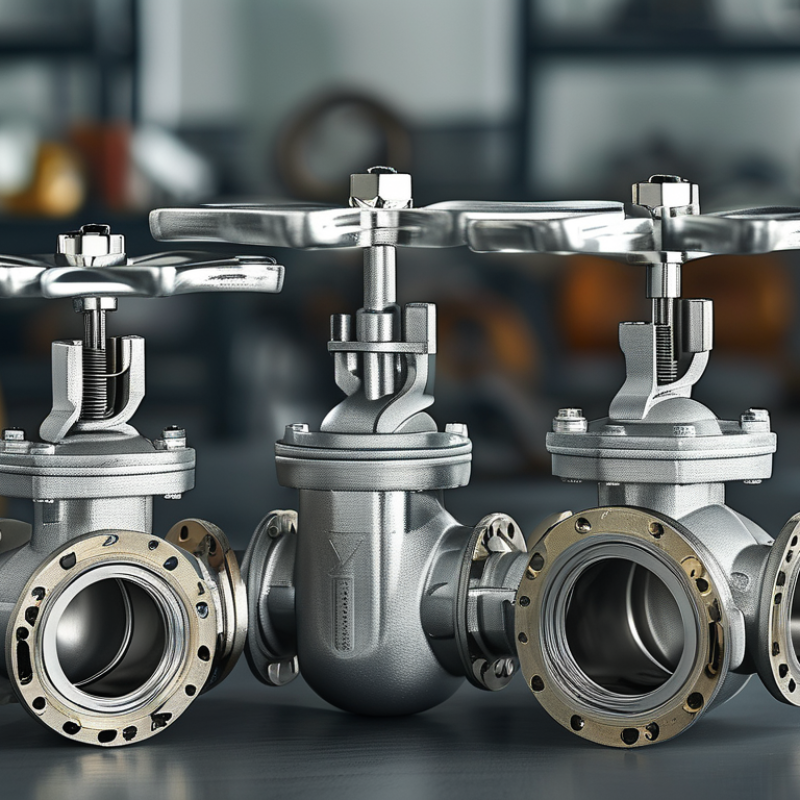
Key Features of Stainless Steel Butterfly Valves
When choosing stainless steel butterfly valves, key features are crucial to ensure optimal performance. One significant characteristic is the material's corrosion resistance. Stainless steel provides long-term durability, especially in harsh environments. It is essential to select a grade that suits your application, as different grades have varying resistance levels.
Another important feature is the valve design. Streamlined designs can reduce pressure drop, improving efficiency. The sealing mechanism also matters; a reliable seal prevents leaks and enhances safety. Additionally, consider the actuator type. Manual or automated options are available, and your choice should align with operational needs.
The valve's size and flow rate capability are vital for matching specific requirements. Oversized valves may lead to inefficiencies, while undersized versions can restrict flow. Attention to detail in these areas can prevent costly mistakes down the line. Remember to regularly inspect and maintain your valves to ensure they perform reliably. Balancing all these aspects will lead to a more effective valve selection.
Types of Stainless Steel Butterfly Valves and Their Applications
When exploring stainless steel butterfly valves, it’s essential to understand their types and applications. There are several varieties, including high-performance, resilient-seated, and wafer-style butterfly valves. Each type serves specific purposes based on pressure, temperature, and flow requirements. High-performance valves are ideal for demanding environments. Their robust design enhances durability, but they may be over-engineered for simpler applications.
Resilient-seated valves are often used in water and wastewater treatment. They provide a tight seal and can handle lower pressures. Their simplicity makes them a popular choice. However, users should consider corrosion resistance as a crucial factor when selecting these valves. Wafer-style valves are compact and lightweight, making them suitable for tight spaces. But their installation requires attention to detail to avoid leaks.
Understanding the specific requirements of your application is vital. Consider factors like media type, pressure, and temperature. Additionally, awareness of the materials used in valve construction can prevent future issues. Choosing the correct butterfly valve may seem straightforward, but underestimating these details can lead to operational failures. Always weigh pros and cons before making a decision.
Criteria for Selecting the Best Butterfly Valve for Your Project
When selecting the best butterfly valve for your project, consider several key factors. Material quality is essential. Stainless steel valves are resistant to corrosion and provide longevity. Data indicates that valves made with high-grade stainless steel can last over 20 years in harsh environments. This reliability minimizes replacement costs and downtime.
Flow characteristics are also crucial. Look for a valve that offers optimal flow control. The design of the disc can significantly influence the flow rate and pressure drop. A plate with a streamlined design generally improves performance. It's vital to ensure that the valve meets your flow requirements precisely.
Maintenance needs should not be overlooked. Some valves require more frequent checks than others. Choose a type that fits your maintenance schedule. Proper installation enhances performance and longevity. Evaluate the availability of skilled maintenance personnel in your area; this can impact your operational efficiency. A well-installed valve can help prevent costly leaks and ensure safety. Remember, ongoing evaluation and feedback from your team can reveal potential improvements in your valve selection process.
2026 Top Stainless Steel Butterfly Valves Criteria
| Criteria |
Description |
Importance Rating (1-5) |
Comments |
| Material Quality |
Corrosion resistance and durability of stainless steel used. |
5 |
Essential for longevity in harsh environments. |
| Size Options |
Availability in various diameters for different applications. |
4 |
Important for fitting into existing systems. |
| Operational Efficiency |
Ease of operation, flow control, and sealing performance. |
5 |
Direct impact on system efficiency. |
| Pressure Rating |
Maximum pressure the valve can withstand. |
4 |
Critical for safety in high-pressure applications. |
| Temperature Range |
Operating temperature limits of the valve. |
4 |
Important for compatibility with media being handled. |
| Certifications |
Industry standards and certifications for quality. |
5 |
Assures reliability and compliance. |
| Maintenance Requirements |
Frequency and ease of maintenance procedures. |
3 |
Affects long-term operational costs. |
| Cost |
Initial purchase price and value for performance. |
4 |
Must balance budget with performance needs. |
Maintenance Tips to Ensure Longevity of Stainless Steel Butterfly Valves
Proper maintenance of stainless steel butterfly valves is crucial for their longevity. Regular inspections should be conducted to check for any signs of wear or damage. Look for corrosion or buildup of debris that could hinder valve function. Simple visual assessments can reveal if the valve seats are deteriorating or if the seals are compromised. Addressing these issues early can prevent costly repairs later on.
Lubrication plays an essential role in the lifecycle of these valves. Using the correct lubricant ensures smooth operation and reduces friction. However, avoid over-lubricating, as excess grease can attract dirt and lead to blockages. Additionally, check the actuator system regularly, as a malfunction can quickly result in valve failure.
Environmental factors also influence maintenance needs. High temperatures or exposure to certain chemicals may require more frequent checks. If valves are installed outdoors, be aware of changing weather conditions. Rain or extreme heat can impact the valve’s performance. Strive for consistent upkeep. Neglecting these aspects could lead to unexpected breakdowns.
Common Issues and Troubleshooting for Stainless Steel Butterfly Valves
Stainless steel butterfly valves are critical in many industrial applications. However, they face common issues that can affect performance. One prevalent problem is leakage, which may occur due to wear and tear on seals. Over time, the material can degrade, leading to fluid bypass. A study by the International Journal of Industrial Technology noted that improper installation significantly contributes to valve failure rates, often cited as around 30% in various contexts.
Another issue is corrosion, especially if the valve is exposed to aggressive substances. Stainless steel provides excellent resistance, but it's not invulnerable. Frequent inspections can help identify signs of rust early. Regular maintenance practices should be a priority for facility operators. Monitoring valve conditions through techniques such as ultrasonic testing can further enhance reliability.
To ensure optimal performance, consider these tips. Regularly inspect the seals for any signs of wear. Maintain a consistent cleaning routine to prevent buildup of contaminants. Educate your team on the proper installation techniques to minimize risks associated with improper handling. Adjusting operational pressure within recommended limits is essential, as excessive pressure can lead to premature failure. Finally, be prepared to adapt maintenance schedules based on usage patterns and environmental conditions.
2026 Top Stainless Steel Butterfly Valves: Common Issues and Troubleshooting
The chart above illustrates the common issues faced by stainless steel butterfly valves in 2026, highlighting the frequency of occurrences for each issue. Leakage is the most common problem, followed by actuator failure and seal wear.