
airless packaging solutions are designed to protect creams, serums, lotions, and other sensitive formulas from unnecessary air exposure. Unlike traditional containers, they usually do not rely on a dip tube. A piston or flexible diaphragm rises as the product is dispensed. This controlled movement creates a near-airless interior.
The mechanism is simple, but its benefits can be practical. Each pump may deliver a measured amount, helping reduce overuse at a bathroom sink or salon counter. Less air contact can also support product stability, especially for formulas affected by oxidation. The sealed system helps limit contamination from fingers, dust, and repeated opening. It can improve the user experience.
Not every package performs equally.
Material selection, pump design, filling accuracy, and formula viscosity all influence performance. A thick cream may require a stronger actuator, while a lightweight serum may need tighter dose control. During testing, the package should be checked from the first pump to the final dose. Some products can leave residue near the outlet, which may affect appearance and usability.
Reliable evaluation should consider barrier properties, compatibility, dispensing consistency, and recycling limitations. Airless packaging solutions can reduce product waste, but they are not automatically the most sustainable choice. Their environmental value depends on material weight, refill options, manufacturing, and local recovery systems. That assumption needs care. A well-designed package protects the formula while matching real consumer habits.
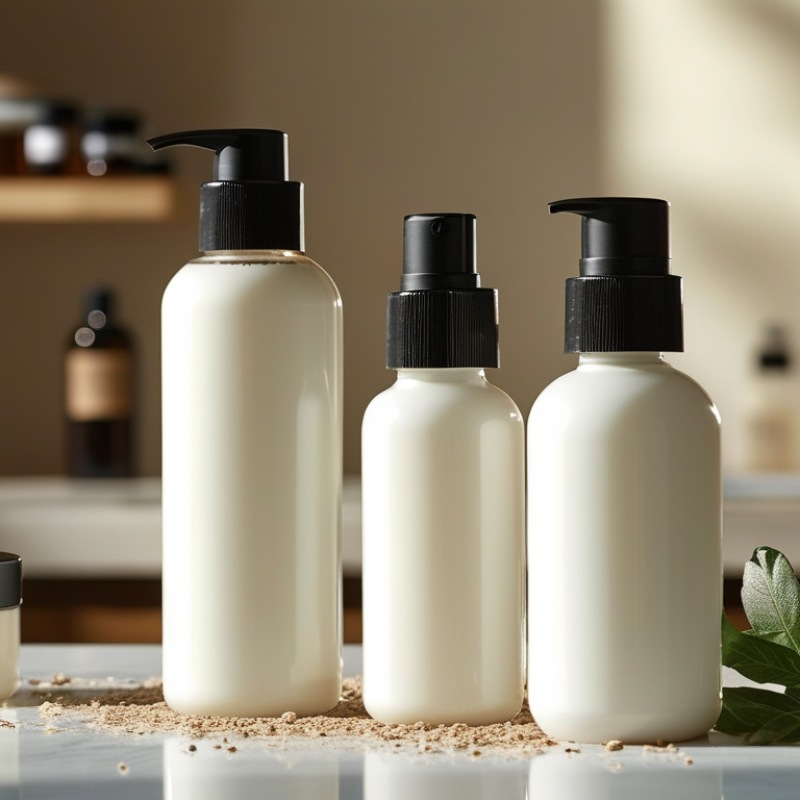
Airless packaging is a container system designed to limit product contact with outside air. Its core purpose is simple: protect formulas from oxidation, contamination, and unnecessary waste. Unlike traditional jars, it usually uses a sealed inner pouch or a movable piston. When the pump is pressed, the product moves upward without pulling air back inside. This design can help maintain texture, color, and performance, especially for sensitive creams, lotions, and serums.
The mechanism relies on controlled pressure. Pressing the actuator creates a small vacuum, while the piston rises gradually inside the container. Because the product is not exposed to repeated air exchange, users may dispense it more hygienically with less direct contact. The package also supports more consistent dosing. However, airless does not mean completely risk-free. Poor sealing, unsuitable materials, or incorrect storage can still affect product quality. Real-world testing remains essential.
Tips: Choose packaging after checking the formula’s viscosity and sensitivity. Thick products may need wider dispensing paths. Test the pump through its final usage stage, not only when full. A container that works beautifully at first may become less reliable near the end. Keep the actuator clean and avoid piercing the inner system. Small details matter.
Airless packaging uses a sealed reservoir and a rising piston or flexible diaphragm to push product toward the dispensing pump. The comparison below shows basic mechanical characteristics of airless packaging versus a typical open jar. A value of 1 means the characteristic is generally present, while 0 means it is generally absent.
Airless systems help limit direct air entry into the product reservoir and reduce the need to touch the remaining formula during use. Actual performance depends on the package design, formulation, and dispensing system.
Airless packaging uses a sealed container that dispenses product without drawing outside air inside. Its main parts work together to protect formulas from oxidation, contamination, and drying. The inner reservoir holds the cream, serum, or lotion. A movable piston sits beneath it. When the user presses the actuator, the piston rises and pushes the formula toward the dispensing opening.
The actuator controls dose size and user comfort. A narrow nozzle can reduce mess, while a wider opening suits thicker creams. The valve closes after dispensing, helping limit air exposure and backflow. The outer container provides structure and protects the reservoir from pressure and handling damage. Some designs use a transparent window, but this can make precise product measurement difficult. The system is not flawless. Thick formulas may move slowly, and a poorly matched piston can leave product behind.
Tips: Test the package with the real formula, not only water. Check the first dose, repeated pumping, and the final residue. Store a sample upright and another on its side. This reveals leakage or uneven dispensing. Keep the nozzle clean, especially after using rich products. A small design change can improve both hygiene and daily control.
Airless packaging uses a sealed container to protect creams, serums, and other sensitive formulas. Unlike ordinary pumps, it usually has no long dip tube. The product rests above a movable piston or inside a flexible inner pouch. Press the actuator. A measured dose leaves through the nozzle. As the product moves out, the piston rises or the pouch collapses. This design limits contact with oxygen, dust, and repeated finger contact.
Inside the pump, a spring and one-way valve control the flow. The actuator creates pressure in a small dispensing chamber. When released, the chamber resets and prepares another dose. The valve helps prevent product from flowing backward. A well-designed system can deliver consistent amounts, even when the container is nearly empty. The first few presses may only prime the mechanism. That small delay is easy to overlook.
Airless performance depends on the formula, seal quality, and pump calibration. Thick products may need a wider pathway than lightweight lotions. During product testing, engineers check dose accuracy, leakage, compatibility, and storage stability. Users should keep the nozzle clean and avoid cutting open the container. It may still look full when the piston has not reached its limit. Also, “airless” does not mean zero air exposure during manufacturing or use. Some formulas work better with this system, but none should be assumed compatible without testing.
Airless packaging protects formulas by separating the product from outside air. A piston moves upward inside the container as users press the actuator. This action creates controlled dispensing without a traditional dip tube. The opening stays small, and the formula receives less oxygen, dust, and repeated finger contact. In practical use, a user can press once and receive a measured bead of cream. Less mess often follows.
The product benefits are measurable, although results depend on the formula and valve design. Grand View Research estimates the global airless packaging market reached about USD 5.6 billion in 2023, with continued growth expected through 2030. This demand reflects stronger interest in hygiene, dosage control, and sensitive formulations. Airless systems may also reduce residual product. Some packaging tests report product evacuation above 95%, but laboratories use different methods, so comparisons need care. The last few grams can still be difficult to recover.
Users gain cleaner handling and easier portability. A sealed actuator can limit contamination during daily bathroom use, where water and dust are common. Controlled dosing may reduce over-application, especially for concentrated creams and serums. Refill systems can lower material use, but only when consumers actually reuse them. That assumption is often weak. Packaging engineers should test drop resistance, temperature changes, compatibility, and dispensing consistency before making performance claims. A package that feels premium but clogs after several presses has failed its basic purpose.
| Dimension | Airless Packaging Information | Typical Data or Range | Practical Benefit |
|---|---|---|---|
| Definition | A dispensing package designed to keep the product separated from outside air during storage and use. | Air exposure is minimized after each dispensing cycle. | Helps protect sensitive formulas and can support longer product stability. |
| Operating principle | Pressing the actuator creates pressure that moves a piston or flexible inner pouch upward and pushes the product through the pump. | The container does not need to be tilted or squeezed to dispense most formulas. | Provides consistent dispensing from the first use to the last use. |
| Air contact | The product chamber is sealed from the surrounding environment, unlike an open jar. | Very low air exchange during normal use; performance depends on the pump and seal design. | Reduces exposure to oxygen, moisture, dust and repeated finger contact. |
| Product evacuation | The moving piston or collapsing pouch follows the product as it is dispensed. | High product recovery is commonly targeted; actual recovery varies by viscosity, formula and package design. | Less product may remain trapped compared with many conventional jars or rigid tubes. |
| Dose consistency | The pump is engineered to deliver a measured quantity per actuation. | Common dose sizes range from approximately 0.2 to 2.0 mL per actuation, depending on the system. | Supports controlled application and may reduce over-dispensing. |
| Formula suitability | Suitable for many creams, lotions, gels, serums, liquid foundations and other semi-solid products. | Best results require compatibility testing for viscosity, particle size and chemical stability. | Allows protection of formulas that may be sensitive to contamination or oxidation. |
| Preservative requirements | The reduced-air and reduced-contact design can support preservation strategies, but it does not make a product automatically preservative-free. | Preservative needs must be confirmed through formulation and microbiological testing. | May provide formulation flexibility while maintaining required safety standards. |
| Hygiene | The user dispenses the product through a pump instead of repeatedly inserting fingers into the formula. | Direct user-to-formula contact is normally avoided during standard operation. | Improves cleanliness and reduces the chance of contamination caused by handling. |
| User experience | Dispensing usually requires a simple downward press on the actuator. | One-handed use is possible with many formats, subject to actuator size and product viscosity. | Offers convenient, clean and repeatable product application. |
| Available formats | Common formats include pump bottles, tubes, jars with airless inserts and dual-chamber systems. | Typical consumer package capacities are approximately 5 to 150 mL, depending on application. | Supports products ranging from travel-size treatments to larger daily-use formats. |
| Product protection | A sealed dispensing path helps limit exposure to environmental contaminants and repeated oxidation. | Protection level depends on closure design, material compatibility and storage conditions. | Can help maintain appearance, texture and performance throughout the intended shelf life. |
| Storage and transport | Most airless packs are designed to dispense in an upright position, although some systems tolerate different orientations. | Storage requirements remain formula-specific; temperature and light controls may still be necessary. | Reduces dependence on frequent opening and closing during use. |
| Sustainability considerations | Environmental performance depends on material selection, component count, refillability and local recycling infrastructure. | No single airless format is universally more sustainable; life-cycle assessment is required for comparison. | Better product recovery and reduced formula waste may contribute to lower overall waste. |
| Key limitation | Airless systems generally cost more and may require more complex components than basic open containers. | Performance must be verified through compatibility, leakage, dosing and stability tests. | Proper package selection is essential to balance protection, cost, usability and recyclability. |
Note: The stated ranges are typical industry values and may vary according to product viscosity, formulation, actuator design, package size, materials and testing conditions.
Airless packaging is widely used for skincare, personal care, and selected pharmaceutical products. It protects formulas by limiting contact with air, dust, and repeated finger contact. Common applications include facial creams, serums, lotions, foundations, and sensitive treatment products. For products used daily, controlled dispensing can improve hygiene and reduce unnecessary waste. Consistency matters.
In practical packaging trials, viscosity often determines whether the system performs well. Thick creams may need stronger internal pressure and a wider opening. Thin lotions can leak or dispense too quickly. The actuator should deliver a steady dose without requiring excessive force. Dose size matters. A small dose may suit concentrated formulas, while larger doses may frustrate users if the product is expensive. Compatibility testing should check odor, color, texture, and formula stability. Some ingredients can soften seals or affect plastic parts over time.
Material selection deserves careful review. Plastic components may offer light weight and design flexibility, but mixed materials can complicate recycling. Clear packs look attractive, yet light-sensitive formulas may need opaque protection. Filling conditions also influence performance, especially when air becomes trapped inside. A pump may work smoothly at first and become difficult after storage. Testing reveals flaws. Real-world checks should include temperature cycling, drop testing, transport simulation, and repeated dispensing. User handling is often overlooked. An awkward pump can leave product behind, despite efficient internal design. That detail is easy to miss during factory testing.
Join our mailing list to receive the latest news and updates from our team.