China Best Ball Check Valve Supplier for Global Buyers?
In the competitive market of industrial components, sourcing reliable suppliers is vital. China has emerged as a leading source for various products, including the essential ball check valve. This component plays a critical role in maintaining fluid flow control and preventing backflow in numerous applications. Understanding the market can empower global buyers to make informed choices.
Many suppliers in China offer a wide range of ball check valves suited to diverse industries. Buyers must consider quality, performance, and certifications. A focus on these aspects can lead to better operational efficiency and safety. However, not all suppliers meet the necessary standards. It is crucial to conduct thorough research before making a decision.
The reliability of a ball check valve supplier hinges on their experience and expertise. Buying from a well-established company can provide assurance. That said, not all reputable suppliers are created equal. Some may lack the advanced technology or rigorous quality control measures required. A careful evaluation of each supplier's credentials is essential for ensuring optimal performance and reliability.
Overview of Ball Check Valves and Their Applications
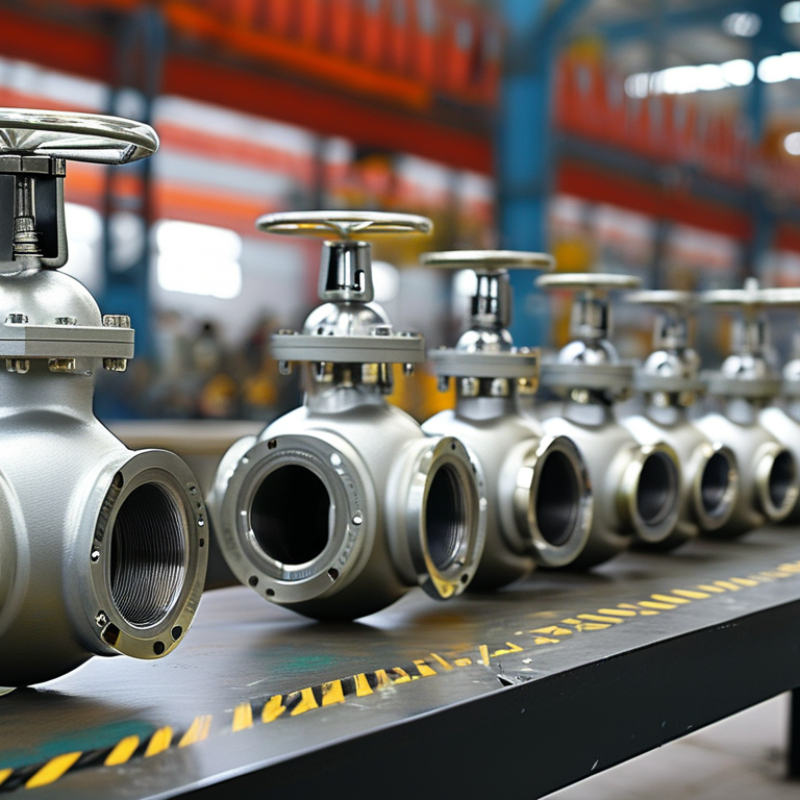
Ball check valves play a crucial role in various industrial applications. These devices allow fluid to flow in one direction and prevent backflow, ensuring system integrity. Their design is simple yet effective, featuring a spherical ball that acts as a sealing mechanism. When fluid flows forward, the ball is lifted. When the flow reverses, the ball seals the outlet, stopping reverse flow.
Proper installation is essential for optimal performance. Misalignment or improper sizing can lead to inefficiencies or failure. When selecting a ball check valve, consider the flow conditions. Fluid type, temperature, and pressure are critical factors. Opt for materials that resist corrosion to enhance longevity.
Tips: Regular maintenance checks can prevent unexpected failures. Inspect seals and clean routinely for best results. Ensure that the installation follows manufacturer guidelines to maintain reliability. Always consider the specific requirements of your system.
China Best Ball Check Valve Supplier for Global Buyers
| Dimension |
Material |
Pressure Rating |
Temperature Range |
Applications |
| 1/2" - 2" |
Brass |
150 psi |
-20°F to 200°F |
Water systems, HVAC |
| 2" - 4" |
Stainless Steel |
300 psi |
-50°F to 400°F |
Oil & Gas, Chemical processing |
| 4" - 6" |
PVC |
50 psi |
32°F to 140°F |
Water treatment, Irrigation |
| 6" - 10" |
Cast Iron |
125 psi |
-20°F to 250°F |
Municipal water supply, Fire protection |
Key Features of High-Quality Ball Check Valves
Ball check valves play a critical role in various industrial applications. They are essential for preventing backflow and ensuring smooth fluid control. High-quality ball check valves feature precise engineering to achieve reliability and durability.
One key characteristic is the material used. Stainless steel and PVC are common materials due to their corrosion resistance. According to industry reports, stainless steel valves can withstand pressures over 300 psi, making them suitable for high-demand environments. The sealing mechanism is also crucial. High-quality valves utilize a tight seal that minimizes leakage. Surprisingly, some low-grade products may fail under pressure, leading to costly downtime.
The design of the ball check valve affects its performance. A well-designed valve allows for quick response times. Research indicates that poorly designed valves can slow down operations by up to 30%. Buyers should be vigilant when selecting suppliers. Not all manufacturers adhere to rigorous quality standards, which can lead to inconsistent performance. It's important to assess potential suppliers based on their quality control processes and industry certifications.
Leading Manufacturers of Ball Check Valves in China
China has emerged as a key player in the global ball check valve market. According to recent industry reports, China accounts for over 30% of the world's production of these essential components. The country's advanced manufacturing techniques and cost-effective labor contribute to this impressive figure. Key industries like oil and gas, water treatment, and chemical processing heavily rely on high-quality ball check valves to ensure efficiency and safety.
Leading manufacturers in China focus on producing valves that meet international standards. They utilize rigorous testing methods to ensure durability, reliability, and performance. With an increasing emphasis on advanced technology, many suppliers now offer automated solutions that enhance operational efficiency. The global demand for quality ball check valves is expected to grow by around 5% annually through 2025. Still, the industry faces challenges, such as fluctuating material costs and competition from emerging markets.
While many manufacturers excel in quality, some still struggle with consistency in production. Quality assurance practices can vary widely across different suppliers. Some manufacturers might compromise on quality due to cost-cutting measures. This inconsistency can lead to product failures, affecting downstream operations for buyers. Selecting the right supplier is critical for global buyers seeking reliability and performance in their applications.
Factors to Consider When Choosing a Ball Check Valve Supplier
When selecting a ball check valve supplier, several key factors must be considered. Quality control is paramount. According to industry data, 70% of mechanical failures are attributed to subpar materials and manufacturing processes. Evaluating a supplier's testing protocols and certifications can reveal their commitment to quality. Documentation, such as ISO certifications, provides insights into their standards.
Pricing also plays a critical role. Competitive pricing often indicates market demand, but it can also suggest compromises in quality. A report by the American Society of Mechanical Engineers states that a saving of merely 5% on low-cost valves can lead to 25% more maintenance costs over time. It is vital to balance cost against expected performance and longevity.
Experience in the industry is equally important. Suppliers with a proven track record offer reliability and expertise. Research indicates that companies with over a decade of experience have a lower failure rate. Nonetheless, newer suppliers might provide innovative technologies at competitive rates. Engaging in discussions with potential suppliers can help identify their strengths and weaknesses, allowing for informed decision-making.
Export Trends of Chinese Ball Check Valves to Global Markets
China has established itself as a key supplier of ball check valves to global markets. According to recent reports, the export of these valves has grown significantly, driven by the demand in industries such as oil and gas, water treatment, and food processing. In 2022, China's ball check valve exports reached approximately $500 million, demonstrating a steady increase from previous years. This growth showcases the country’s manufacturing capabilities and commitment to quality.
However, it’s essential to approach this market with a critical eye. Some manufacturers may prioritize cost over quality, leading to inconsistent product performance. Buyers must assess suppliers carefully. Look for certifications and standards compliance, as this can indicate reliability. Check for customer reviews and demand transparency during the procurement process.
Tip: Always request samples before making bulk purchases. It can help verify the valve's functionality and quality. Engaging local experts can also shed light on the best practices when sourcing from China. This strategy ensures you make informed decisions, thus minimizing risks associated with poor-quality products.
Export Trends of Chinese Ball Check Valves to Global Markets