How to Choose the Best Brass Die Casting for Your Needs?
When it comes to selecting the right Brass Die Casting, expertise matters. John Smith, a leading expert in the brass die casting industry, once stated, "Quality is paramount when choosing die cast components." This simple truth drives many businesses in their search for reliable solutions. Brass die casting plays a vital role in manufacturing, offering strength and corrosion resistance.
Understanding the available options can be overwhelming. Each project presents unique challenges that require careful consideration. For instance, the alloy composition, production techniques, and surface finishes can greatly impact the final product. A diligent approach ensures that your requirements align with the capabilities of the supplier.
Many overlook the importance of communication. Discussing project specifics with potential partners can clarify expectations and capabilities. A shared understanding fosters trust and leads to better outcomes. Remembering that not all suppliers will meet your standards is crucial. It's essential to reflect on your choices, seeking continuous improvement in your procurement process. In the world of Brass Die Casting, the quality of your selection can make or break your project.
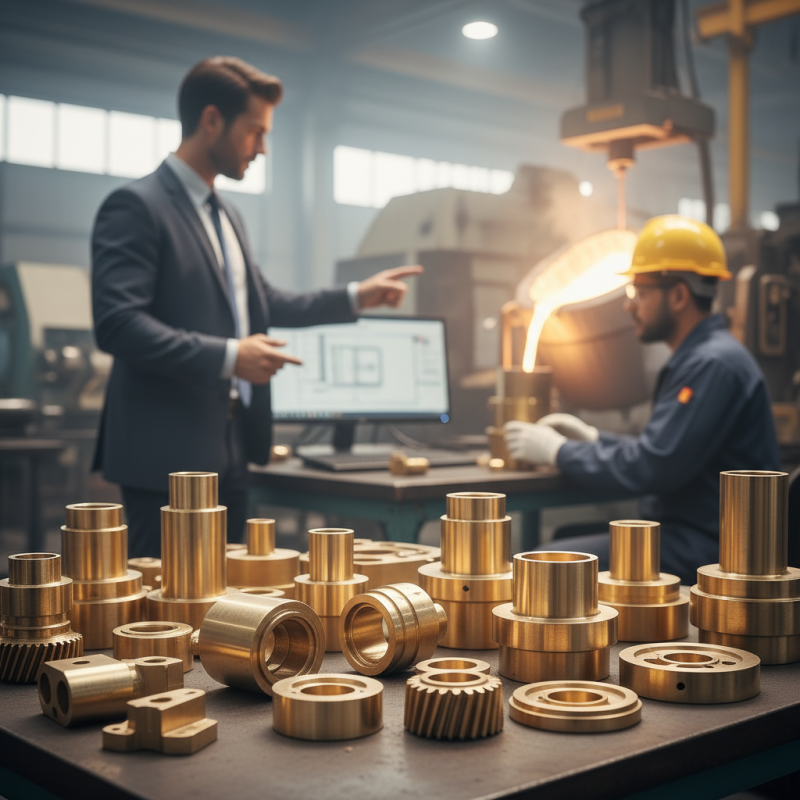
Understanding Brass Die Casting Materials and Their Properties
When considering brass die casting materials, it's essential to understand their unique properties. Brass is an alloy made mainly of copper and zinc. This combination provides excellent corrosion resistance and produces durable, sturdy components. The preferred percentages of copper and zinc can vary, which affects the alloy's strength, machinability, and appearance.
Choosing the right brass alloy depends on your project requirements. For high-strength applications, opt for a brass with a higher copper content. This variation offers better performance and longevity. On the other hand, a lower copper content offers better castability and surface finish. Knowing these details will significantly influence your final product’s quality.
Tips: Always evaluate the environment your castings will be in. Will they face exposure to chemicals or moisture? This factor might steer you towards a specific alloy. Additionally, consider the post-casting processes, such as machining or plating. Sometimes, a particular brass alloy may present challenges during these stages.
Explore the specific categories of brass, such as free-cutting brass. This type is ideal for high-precision parts. Yet, while it's easier to machine, it may lack some corrosion resistance. Always weigh the benefits against potential drawbacks.
Key Factors to Consider When Selecting Brass Die Casting Techniques
Selecting the right brass die casting technique can be challenging. Multiple factors influence the decision. First, consider the intended application. Different projects may require varying levels of precision and strength. Understanding your project's specifications will guide you toward the best option.
Material quality is crucial. High-grade brass ensures durability and resistance to corrosion. Cheaper alternatives may save costs, but they can lead to failures down the line. Analyze the trade-offs between initial expenses and long-term reliability. This is where reflection is vital. Are short-term savings worth potential future problems?
Production methods also play a role. Some techniques are better suited for complex geometries. Others excel in mass production. Evaluate your needs carefully. Engaging with experts in the field could provide insights that aren't immediately obvious. Every choice has implications, so a thoughtful approach is necessary to avoid oversights.
Brass Die Casting Techniques Comparison
This bar chart compares four common brass die casting techniques based on their production cost per unit. Understanding these costs can help you select the best technique for your needs.
Industry Standards and Specifications for Brass Die Casting Quality
When selecting brass die castings, understanding industry standards is crucial. Quality specifications often include tensile strength, corrosion resistance, and dimensional accuracy. These factors affect the performance and longevity of your products. For example, a high tensile strength indicates the die casting can withstand significant stress without deforming. Corrosion resistance is essential for applications exposed to harsh environments.
Brass die casting must also meet specific regulations set by governing bodies. These standards ensure that components are reliable and safe for use. Dimension specifications prevent distortions during production and guarantee a proper fit in assembly. However, not every manufacturer adheres to these guidelines perfectly. Some may overlook certain quality checks, leading to inconsistencies.
Checking certifications from manufacturers is advisable. This documentation verifies compliance with industry standards. If certificates are missing, it raises potential concerns. Assessing a manufacturer's track record can offer insight into their reliability. You should also consider seeking third-party evaluations for peace of mind. These steps help ensure you choose the best brass die casting for your needs.
Cost-Effectiveness: Balancing Quality and Budget in Brass Die Casting
When selecting brass die casting, cost-effectiveness is crucial. According to a recent industry report, nearly 30% of manufacturers face budget constraints that impact material quality. It's essential to balance quality with financial limits while ensuring the final product meets specifications. Many buyers underestimate how much lower-quality materials can affect long-term durability.
Choosing the right supplier can significantly influence costs. Evaluate their track records and certifications. Look for companies that prioritize sustainable practices. They often provide both quality and affordability. Quality assurance processes can save you money in the long run. Also, factor in shipping and processing times, which can inflate costs unexpectedly.
**Tip:** Always request samples before committing to larger orders. They provide invaluable insights into material performance and finishing quality. Consider the total cost of ownership, which includes maintenance and potential replacements. Remember, cheaper isn't always better. Sometimes, investing a little more upfront can lead to substantial savings later. This balance is essential for a successful partnership in brass die casting.
How to Choose the Best Brass Die Casting for Your Needs? - Cost-Effectiveness: Balancing Quality and Budget in Brass Die Casting
| Criteria | Description | Cost Impact | Quality Considerations |
| Material Quality | Assess the purity of brass used. | Higher quality brass may increase cost. | Directly affects durability and finish. |
| Production Method | Choosing between gravity or pressure die casting. | Pressure methods are often more expensive. | Affects precision and surface finish. |
| Machining and Finishing | Additional processes post-casting. | Increases overall production cost. | Essential for tight tolerances and aesthetics. |
| Volume and Scale | Consideration of order size. | Larger volumes can lower per-unit cost. | May influence tool wear and lead times. |
| Supplier Reputation | Review of past performance and reliability. | Established suppliers may charge more. | Quality assurance through experienced partners. |
Applications of Brass Die Casting Across Various Sectors and Industries
Brass die casting plays a crucial role in various industries. Its applications range from automotive parts to electronics. The quality of brass die casting significantly affects the final product's reliability and performance. According to a recent industry report, the global die casting market reached over $75 billion in 2022, with brass components having a substantial share.
In the automotive sector, brass die casting is used for making components like radiator tanks and fittings. These parts must withstand high pressure and temperature. A study showed that about 30% of automotive manufacturers prefer brass for its corrosion resistance and durability. This choice is essential for ensuring long-term performance and reducing maintenance costs.
The electronics industry also benefits from brass die casting, especially in connectors and housings. Approximately 20% of electronic devices utilize brass components to enhance conductivity. However, the inconsistency in die casting quality raises concerns. Manufacturers need to ensure stringent quality checks during production to avoid defective components. The emphasis on precision can sometimes lead to increased costs, yet the reliability of brass casts is often worth the investment.