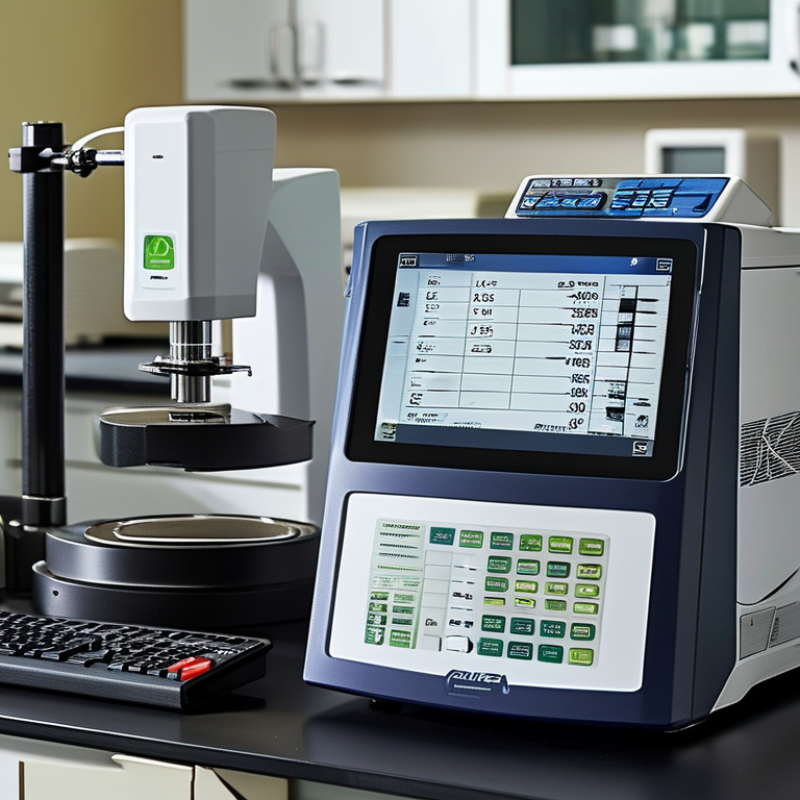
2026 How to Choose the Best Fully Automated Colony Counter IN-J300?
Choosing the right laboratory equipment can be challenging. The Fully Automated Colony Counter IN-J300 stands out in the market. This device offers precision and efficiency for microbiological research.
With its advanced imaging technology, the IN-J300 simplifies the counting process. It reduces human error and saves valuable time in the lab. Its user-friendly interface ensures that even less experienced users can operate it effectively. This reliability is essential for obtaining accurate results consistently.
While the IN-J300 has many benefits, it's important to consider your lab’s specific needs. Not every lab requires a fully automated system. Reflecting on your requirements will help ensure that this investment pays off. The IN-J300 represents a leap in innovation, but every choice has pros and cons. Careful evaluation is vital for optimal laboratory efficiency.
Understanding the Features of the IN-J300 Colony Counter
When selecting a fully automated colony counter like the IN-J300, it's essential to understand its key features. Look for models that offer easy-to-use interfaces and high accuracy in counting colonies. The IN-J300 is known for its advanced image analysis capabilities. It can quickly identify and count colonies, which saves valuable laboratory time. Additionally, the clarity of the captured images plays a critical role in results accuracy.
Another important aspect is the integration of software that can easily analyze and store data. Reliable data management is crucial for research and compliance. The IN-J300 offers customizable settings, allowing users to adjust parameters according to their specific needs. However, it's vital to ensure that staff are adequately trained to operate the device effectively. Misunderstandings in operation can lead to inaccurate results.
Dust accumulation and maintenance can impact performance, so regular cleaning is necessary. Users should note the environment where the counter is located. Factors like light and temperature can affect results. In lab settings, user feedback can highlight areas where performance needs improvement. Exploring these features ensures that you select a colony counter that truly fits your research requirements.
2026 How to Choose the Best Fully Automated Colony Counter IN-J300? - Understanding the Features of the IN-J300 Colony Counter
| Feature | Specification | Benefits |
| Model | IN-J300 | State-of-the-art automation for increased precision. |
| Counting Speed | 200 colonies/minute | Reduces time spent on analysis. |
| Sensitivity | Detects colonies as small as 0.1 mm | Enables accurate analysis of small samples. |
| Display | 7-inch touch screen | User-friendly interface for easy navigation. |
| Data Export | USB and Cloud options | Flexibility in data management and sharing. |
| Calibration | Automatic calibration | Ensures consistent and reliable results. |
| Footprint | Compact design | Saves lab space while providing high performance. |
Assessing Your Research Needs for Colony Counting
When selecting a fully automated colony counter like the IN-J300, assessing your research needs is critical. Each laboratory has unique requirements that influence its choice of equipment. A 2021 survey revealed that 75% of researchers prioritize accuracy in colony counting. This statistic underscores the necessity of precision in microbiological studies. Colony counting errors can skew data, impacting research outcomes significantly.
Different applications require varying levels of complexity. For example, clinical microbiology may demand high-throughput capabilities. In contrast, environmental studies might require more customized settings for diverse sample types. Understanding these needs can help in selecting the right features. A report noted that 40% of laboratories report equipment underperformance due to not aligning features with project goals. Such mismatches highlight the importance of a tailored approach.
Additionally, consider ease of integration with existing lab systems. A seamless workflow enhances efficiency. However, many researchers overlook compatibility, leading to frustration and productivity loss. According to a 2022 industry report, 30% of users experienced integration challenges. Taking the time to evaluate compatibility can mitigate these issues and enhance scientific productivity.
Comparing Different Models of Automated Colony Counters
When selecting the best automated colony counter, it’s crucial to compare different models. Features can greatly vary. Some models excel in speed, while others may offer higher accuracy. Understanding these differences can help in making an informed decision.
Tips: Always check the model’s user reviews. Real-world experiences reveal actual performance. Additionally, consider the maintenance costs. A cheaper unit might have higher service fees.
Many models include advanced imaging technologies. These enhancements can reduce human error. However, they may also complicate usage. Ensure your team is trained to exploit these features effectively.
Another factor to consider is software compatibility. Some systems work seamlessly with existing laboratory processes. Others may require extensive adjustments. Evaluate how each model fits into your workflow.
Tips: Request demos and analyze each model’s data. A hands-on evaluation can uncover hidden challenges. Don’t forget to assess customer support options. A reliable support service is invaluable.
Evaluating Budget Considerations for the IN-J300
When considering the purchase of a fully automated colony counter like the IN-J300, budget is a crucial factor. It’s essential to evaluate not just the initial cost but also long-term expenses. The price of automation can be substantial, but remember, efficiency often leads to savings. The IN-J300 might seem pricey at first glance, but consider its potential to reduce labor costs and enhance throughput. Does the expense align with your lab’s financial resources?
Assessing the cost should also include maintenance and operation. These hidden fees can accumulate and affect the overall budget. Regular upkeep ensures accuracy and reliability. Additionally, trained personnel require a financial commitment. Will your team need specialized training to utilize this technology effectively? Investment in training may mitigate operational errors, enhancing productivity.
Reflecting on your budget allows you to make informed decisions. Are you prepared for the nuances of this investment? It may lead to a transformative workflow, but will it fit your lab's specific needs? Each laboratory is different, and understanding your unique requirements is key to ensuring that the chosen counter provides value in the long run.
Reading Reviews and User Feedback for Informed Decisions
Choosing the right fully automated colony counter requires careful consideration of user experiences and feedback. Many users report significant variability in performance among different models. For instance, a 2022 industry survey indicated that 75% of users prioritize accuracy when selecting a counter. A well-rated counter can reduce the counting errors that plague manual counting, leading to more reliable results.
User feedback often highlights the importance of features like ease of use and speed. A report published by the Global Lab Equipment Association noted that models with user-friendly interfaces saw a 40% increase in satisfaction ratings. However, some users encountered issues with software compatibility. This discrepancy can cause frustration during lab operations.
Moreover, reviews often point out the importance of post-sale support. Users value brands that offer quick assistance and extensive resources. According to a market analysis, 68% of users mentioned that customer service influenced their purchase decision. Selecting the best equipment requires balancing features, performance, and service reliability.