How to Choose the Best Led Bulkhead Light for Your Needs?
When it comes to outdoor or indoor lighting, the choice of an Led Bulkhead Light can greatly impact functionality and aesthetics. These fixtures are not just about illumination; they also influence safety and energy efficiency. Choosing the right LED Bulkhead Light requires understanding your specific needs and the environment in which it will be installed.
Many consumers overlook the importance of quality and design. While lower-priced options seem appealing, they may lack durability and performance. High-quality LED Bulkhead Lights typically offer better warranties and longer lifespans. It’s essential to consider factors such as brightness, color temperature, and build material.
Your decision shouldn’t solely rely on brand reputation. Exploring product specifications and user reviews can provide valuable insights. Even a highly-rated light might not suit your unique situation. Reflecting on your space's specific requirements can lead to a more informed selection. With thoughtful consideration, you can ensure your LED Bulkhead Light enhances both safety and style in your chosen area.
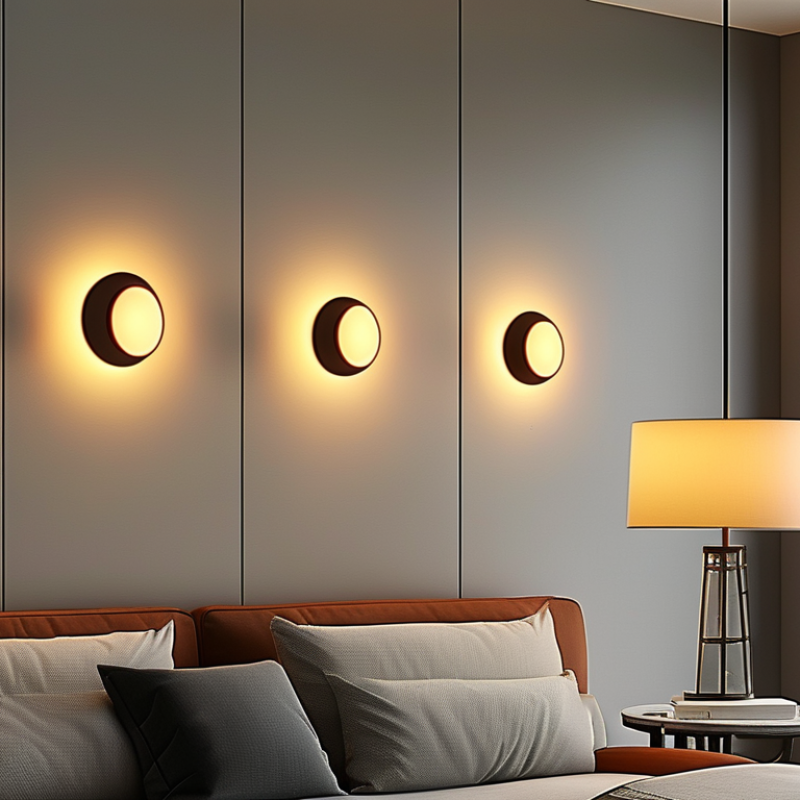
Understanding the Basics of LED Bulkhead Lights and Their Applications
LED bulkhead lights are essential for both safety and aesthetics in various settings. Understanding their basics can help you make an informed decision. These lights are typically outdoor or indoor fixtures that provide illumination in hallways, staircases, and entryways. According to the U.S. Department of Energy, LED technology can cut energy use by at least 75% compared to traditional lighting. This makes them a sustainable choice for any property owner.
When choosing an LED bulkhead light, consider the installation environment. These lights come in different styles, wattages, and color temperatures. A study by the Lighting Research Center indicates that warm white lighting creates a welcoming ambiance, while cooler shades enhance visibility and alertness. Make sure to match the light to its intended purpose. If it’s for security, brightness is critical.
Tips: Always check the IP rating if using bulkhead lights outdoors. A rating of IP65 or higher indicates good water and dust resistance. It's also wise to evaluate the light's lifespan. Many LED fixtures last up to 50,000 hours, but installation issues can reduce this significantly. Reflect on the mounting options and whether they meet your architectural demands.
Key Factors to Consider When Selecting LED Bulkhead Lights
When choosing LED bulkhead lights, consider several key factors. The light’s brightness, often measured in lumens, is crucial. A higher lumen count provides better illumination, particularly in areas needing safety or visibility. Also, inspect the color temperature. Warmer tones create a cozy ambiance, while cooler tones enhance concentration.
Another significant aspect is durability. LED bulkhead lights should withstand different environmental conditions. Look for materials that resist rust and corrosion, especially for outdoor use. Additionally, power consumption is vital. Energy-efficient lights save on electricity bills. Check the wattage to balance brightness and energy use.
Tips: Assess your specific environment. Is it wet, dry, or exposed to extreme temperatures? This impacts material selection. Also, a public space may require more robust lighting than a home setting. Assessing these factors can lead to better decisions. Reflect on your choices to ensure they truly meet your needs.
Comparison of Key Factors for Choosing LED Bulkhead Lights
Evaluating Lumens and Wattage for Optimal Brightness in Bulkhead Lighting
When selecting the right LED bulkhead light, evaluating lumens and wattage is crucial for achieving optimal brightness. Lumens measure light output, while wattage indicates energy consumption. According to research by the U.S. Department of Energy, LED lights produce more lumens per watt than traditional lighting. For instance, a 15-watt LED can generate about 1100 lumens, competing effectively with a 100-watt incandescent bulb.
It's important to match brightness levels with the intended use. Areas requiring high visibility, like pathways or loading docks, may need at least 700 lumens for safety. Conversely, spaces designed for relaxation, such as patios, could benefit from softer lighting around 300 to 500 lumens. Misjudging these figures can lead to overly bright or dim environments. If your choices produce uncomfortable glare or insufficient illumination, adjustments must be made in terms of wattage or light distribution.
Moreover, consider the color temperature, which affects how brightness is perceived. A cooler light (5000K) gives a brighter feel, while warmer tones (3000K) might appear softer. This nuanced understanding extends the utility and comfort of bulkhead lighting. Errors in selection can lead to frustration or even increased energy costs. Thus, take the time to analyze your specific needs and the characteristics of the space.
Comparing Waterproof Ratings and Durability for Outdoor LED Bulkhead Lights
When selecting outdoor LED bulkhead lights, waterproof ratings are crucial. These ratings indicate how well a light fixture can withstand moisture. The Ingress Protection (IP) rating is the most common standard. An IP65 rating means the light is dust-tight and protected against water jets. For coastal areas, a higher rating, like IP67, is often advisable. These lights can withstand stronger elements.
Durability is equally important. Look for materials that resist corrosion and wear. Many outdoor fixtures feature polycarbonate lenses or robust metal housings. These materials ensure longevity in various weather conditions. However, not all lights of similar ratings perform the same. Factors like installation and maintenance can influence their life span. Regular checks for leaks or damage can prevent issues in the long run.
When making your choice, think about installation complexity. Some lights are easier to mount and adjust. Consider environments that may increase wear and tear. Areas with heavy rains or strong winds require sturdier options. Finding the right balance between waterproof ratings and durability can be a challenging but rewarding task. Investing time in research will pay off with reliable illumination.
Assessing Energy Efficiency and Lifespan of LED Bulkhead Light Options
When selecting LED bulkhead lights, assessing energy efficiency is crucial. LED lights are known for their low energy consumption. They convert a higher percentage of energy into light, resulting in lower electricity bills. Compare lumens per watt among different models. A higher lumen output per watt indicates better efficiency.
Lifespan is another critical factor. Many LED bulkhead lights last over 25,000 hours. This long lifespan means fewer replacements. Look for products that provide detailed specifications on lifespan. Reviews can help verify claims, reflecting user experiences over time.
Tips:
Consider the installation environment. Areas with high humidity or extreme temperatures may require specific designs. Always check the IP rating, ensuring the light is suitable for your needs.
Explore dimmable options if versatility is essential. Being able to adjust brightness can enhance energy efficiency further. Remember, while price matters, durability and efficiency can save money long-term. Your choice should reflect a balance between initial investment and expected performance.