How to Choose the Best Piston Filler for Your Business Needs?
Choosing the right Piston Filler is crucial for your manufacturing operations. A high-quality filler improves efficiency and consistency. According to industry data, businesses experience a 20% increase in production speed with the right equipment. Piston Fillers cater to various industries, such as food, cosmetics, and pharmaceuticals, each with unique needs.
Selecting the perfect Piston Filler can be challenging. Factors like product viscosity, container size, and production speed impact performance. An estimated 30% of companies report inefficiencies due to improper equipment. This highlights the importance of thorough research and understanding of available options.
Investing in the right Piston Filler can yield significant returns. Businesses can enhance their operational workflows and customer satisfaction. However, not all fillers are created equal, and the wrong choice can lead to costly mistakes. Identifying the right features is essential for meeting specific business needs and achieving long-term success.
Understanding Piston Fillers and Their Applications in Various Industries
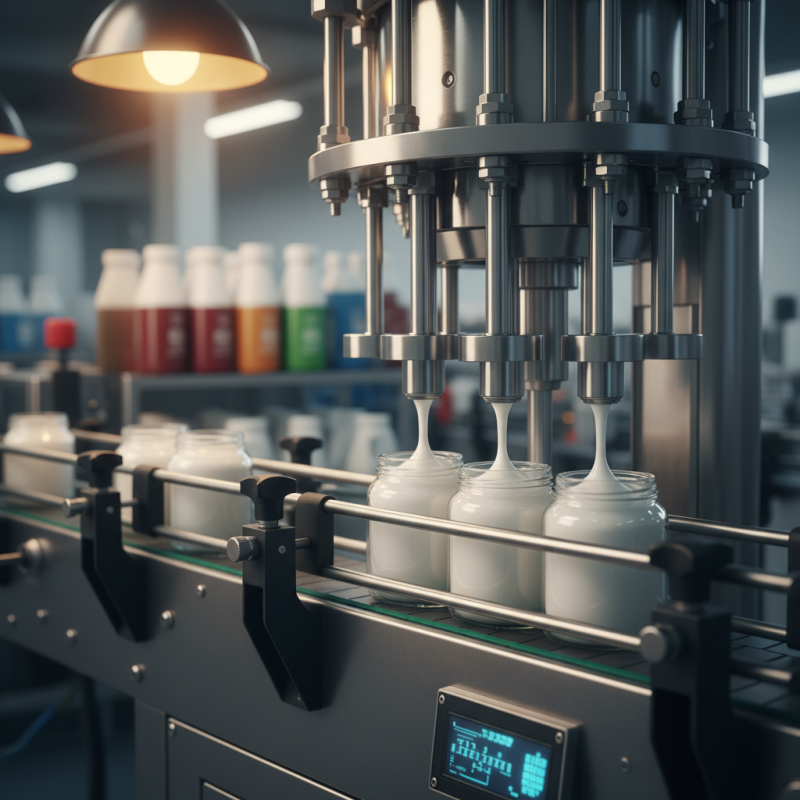
Piston fillers play a crucial role in various industries such as food and beverage, pharmaceuticals, and cosmetics. These machines are designed for precise liquid filling. According to a recent report, the global piston filler market is projected to grow at a CAGR of 5.5% from 2022 to 2027. This trend highlights the increasing demand for efficient and reliable filling solutions.
In food and beverage, piston fillers excel in handling viscous products like sauces or syrups. They ensure that each container is filled accurately, minimizing waste. The pharmaceutical sector relies on high-precision piston fillers to maintain product integrity. A single miscalculation can lead to costly recalls. In cosmetics, the demand for piston fillers stems from the need for consistent product quality.
Choosing the right piston filler requires understanding specific application needs. Not all models are suitable for every liquid type. Some filler designs may struggle with particular viscosity ranges. Even minor errors in equipment selection can impact production efficiency. Understanding these nuances is essential for minimizing operational risks while maximizing output.
How to Choose the Best Piston Filler for Your Business Needs?
| Industry | Application | Filler Type | Filling Volume (ml) | Speed (Bottles per Minute) | Key Features |
| Food & Beverage | Sauces | Linear Piston Filler | 250 - 1000 | 20 | Adjustable Speed, Easy Cleaning |
| Cosmetics | Creams & Lotions | Rotary Piston Filler | 30 - 500 | 40 | High Accuracy, Versatile |
| Pharmaceuticals | Ointments | Tabletop Piston Filler | 5 - 250 | 15 | Compact Design, User-friendly |
| Chemicals | Viscous Liquids | Heavy Duty Piston Filler | 100 - 2000 | 25 | Robust Construction, High Durability |
| Beverage | Juices | Semi-Automatic Piston Filler | 200 - 1500 | 30 | Flexible Filling, Low Maintenance |
Evaluating Your Business Requirements for Piston Filling Solutions
When considering the right piston filler for your business, start by evaluating your specific requirements. Think about the types of products you will fill. Different liquids, from viscous sauces to thin oils, require different piston filling technologies. For instance, the National Association of Manufacturers reports that 65% of industries rely on accurate filling systems to optimize production. This statistic highlights the importance of choosing a piston filler that matches your product consistency.
Also, consider production speed. The filling rate should align with your overall output goals. Reports suggest that a substantial 37% of manufacturers prioritize speed to enhance productivity. You might need a filler with adjustable speeds to accommodate varying batch sizes and timelines. Evaluate your current production capacity and anticipate future growth needs. If you're scaling up, ensure that the chosen filler can grow with your business.
Lastly, think about the ease of use and maintenance. A piston filler that is user-friendly can save training time and reduce operational errors. Industry data shows that about 45% of filling errors stem from operator mistakes. Regular maintenance is crucial, too. An unreliable system can halt production and lead to increased costs. Reflect on your team’s expertise and the support available for the machinery. Choosing wisely can prevent operational headaches down the road.
Key Features to Consider When Selecting a Piston Filler
When selecting a piston filler, consider several key features to ensure it meets your business needs. One important aspect is capacity. Think about the volume of product you plan to fill. High-capacity fillers are essential for larger operations. However, smaller businesses might benefit from compact models that offer flexibility.
Another critical feature is ease of cleaning. A filler that disassembles easily can save time and maintain hygiene. This is especially vital when switching between different products. Look for models with smooth surfaces to minimize residue buildup.
Tips: Check if the filler has adjustable speeds. Adjustability can enhance efficiency according to product viscosity. Always read user reviews to understand real-world performance. Finally, assess the manufacturer’s support. Reliable support can help you troubleshoot and maintain your equipment effectively.
Comparing Different Brands and Models of Piston Fillers
When selecting a piston filler, consider the specific needs of your business. Different brands offer varying features. Some models excel at handling viscous fluids, while others are better for thin liquids. Assess the type of products you will fill. Are they shear-sensitive? This will influence your choice.
Pay attention to the quality of materials used in construction. Reliable piston fillers should have durable parts that withstand regular use. Check for ease of maintenance, as frequent breakdowns can disrupt productivity. Companies often overlook the importance of service and support. A responsive manufacturer can make a significant difference in your operations.
Not every model suits every business environment. Some fillers are bulkier, requiring ample space. Others are more compact and versatile. Think about your production volume and floor layout. An underperforming filler can lead to inefficiencies. Balancing cost with quality is a challenge. Sometimes, cheaper options come with hidden drawbacks. Identifying the best fit may require trial runs to see how well the equipment adapts.
Maintenance and Support Considerations for Piston Fillers
When selecting a piston filler, maintenance and support are crucial. Regular upkeep ensures machine longevity and reliable performance. Data from the Packaging Machinery Manufacturers Institute (PMMI) indicates that unplanned downtime can cost businesses over $100,000 annually. Proper maintenance reduces these risks. Scheduled servicing, including cleaning and adjustment, can prevent performance issues.
Support considerations are equally important. Choose suppliers that offer comprehensive training and responsive customer service. A study by McKinsey shows that businesses with dedicated support teams increase operational efficiency by up to 35%. This can significantly impact your production output. Communication with suppliers should be open. They should provide resources and readily available support.
It's vital to remain proactive about maintenance. Routine inspections can identify potential problems before they escalate. Many businesses overlook this aspect, which can lead to costly repairs down the line. Balancing machine utilization with careful attention to care often proves challenging but necessary. Acknowledging this interplay is essential for sustained success in production.
Maintenance and Support Considerations for Piston Fillers