Why Choose a Roto Tiller for Your Gardening Needs?
Gardening can be a rewarding endeavor, but it requires the right tools. A Roto Tiller stands out as a vital piece of equipment. It helps prepare your garden soil effortlessly. The ease of tilling transforms hard, compacted earth into loose, aerated soil. This is essential for robust plant growth.
Many gardeners overlook the importance of soil preparation. However, a Roto Tiller makes this process efficient. You can achieve better results in less time. Its powerful engine allows you to tackle tough patches in your garden. Whether you're planting flowers or vegetables, soil quality is key.
Choosing a Roto Tiller is a decision that can significantly impact your gardening success. It offers reliability and efficiency. Yet, it’s important to choose the right model for your needs. Some models may be too large for small gardens. Others may lack the power needed for tougher soils. Assess your gardening requirements carefully to make the right choice.
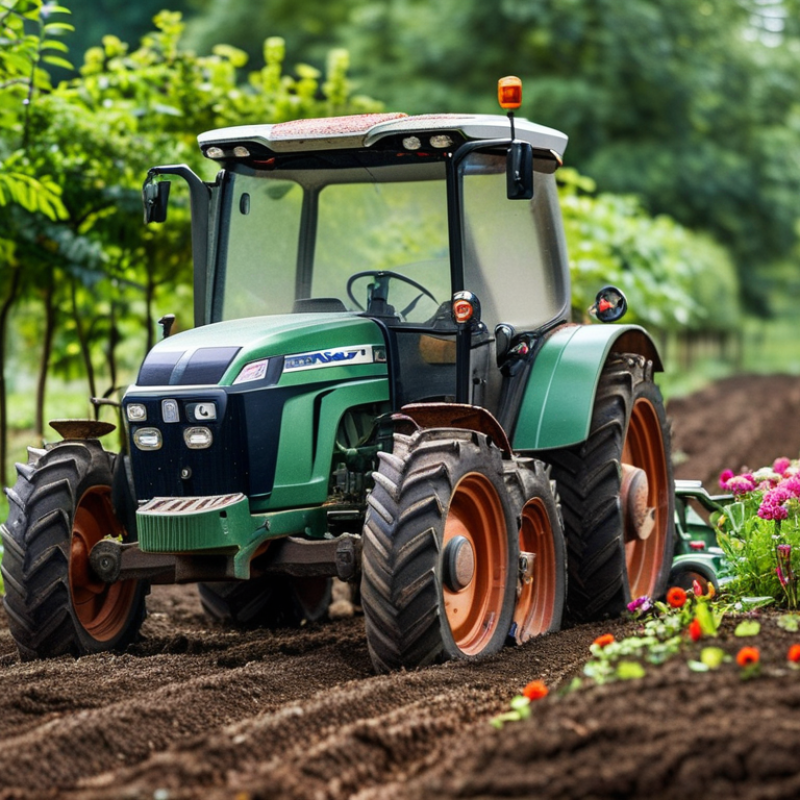
Benefits of Using a Roto Tiller in Your Garden
A roto tiller is an essential tool for any serious gardener. It breaks compact soil into fine, manageable texture. This process helps improve drainage and aeration in your garden bed. With less effort, you can create an ideal environment for roots to grow and access vital nutrients.
Using a roto tiller can save you hours of labor. Unlike manual tilling, which is physically demanding, a tiller does the hard work for you. In just a fraction of the time, you can prepare your garden for planting. Additionally, a tiller mixes organic matter into the soil effectively. This enhances soil quality and promotes a healthier garden ecosystem.
However, it's important to approach tilling with caution. Over-tilling can disrupt the soil structure and harm beneficial organisms. Finding the right balance is key to maximizing the benefits of your tiller. Reflecting on your tilling practices can lead to better results in the long run. A roto tiller, when used wisely, can significantly elevate your gardening experience.
Understanding Different Types of Roto Tillers Available
When it comes to gardening, a roto tiller can be an invaluable tool. Understanding the different types available is crucial for any gardener looking to enhance their soil management. Generally, roto tillers come in three categories: electric, gas-powered, and rear-tine models. Each has its unique advantages and drawbacks. For example, electric tillers are often quieter and easier to start, making them ideal for small gardens. However, they may lack the power needed for tougher soil conditions.
Gas-powered tillers, on the other hand, provide the strength required for larger plots or hard-packed earth. According to the National Gardening Association, 35% of gardeners find gas tillers essential for their projects. Rear-tine tillers, designed for deeper soil aeration, are favored for larger areas and more rugged terrain. Their ability to dig down as much as 12 inches gives them an edge in creating the perfect seedbed. However, they are often bulkier and more challenging to maneuver, an aspect that gardeners frequently note as a point of contention.
While each type of roto tiller serves its purpose, potential buyers should also consider maintenance and cost-efficiency. Gas tillers may require more maintenance, which can be a hassle for many. In contrast, electric models need less upkeep but may have limitations in power. Understanding these nuances can help you make a better-informed decision, ultimately contributing to your garden's success.
Why Choose a Roto Tiller for Your Gardening Needs?
How to Choose the Right Roto Tiller for Your Gardening Needs
When selecting a roto tiller for your gardening needs, consider your garden size and soil type. A 2022 industry report notes that around 70% of garden enthusiasts prefer a tiller for its efficiency in preparing soil. If you have sandy or clay soils, certain tillers work better than others. Sizing matters; small gardens might only need a mini tiller, while expansive plots require larger models.
Consider the tilling width and depth. A wider tilling width can save you time but may be challenging in tight spaces. For less compacted soil, a tilling depth of 6 to 8 inches usually suffices. Despite the advantages, many novice gardeners hesitate due to tiller's weight. Lightweight options often lag in power, so it’s a balancing act.
When evaluating power sources, gas and electric options dominate the market. A study showed 54% of users prefer gas for larger tasks, while electric is favored for smaller jobs. This choice impacts noise levels and maintenance needs. Look for user reviews for guidance, as real experiences guide decisions. Remember, investing in a tiller is a commitment. Educating yourself through reliable sources can enhance your gardening journey.
Why Choose a Roto Tiller for Your Gardening Needs? - How to Choose the Right Roto Tiller for Your Gardening Needs
| Feature | Description | Considerations |
| Type of Tiller | Front-tine, Rear-tine, Garden, Electric, Gas | Choose based on garden size and soil type. |
| Engine Power | Measurable in horsepower (HP) or cc | Higher HP suitable for tough soil. |
| Tilling Width | Varies from 12 to 36 inches | Larger width covers more area faster. |
| Weight | Heavier models provide more stability | Consider transport and storage needs. |
| Maneuverability | Handles with wheels or handles for easy turning | Determine ease of use for your garden layout. |
Tips for Operating and Maintaining Your Roto Tiller
Operating a roto tiller effectively requires practice and awareness of safety measures. Before starting, always read the user manual. This can help you understand its controls and capabilities better. According to the American Society of Agricultural and Biological Engineers, proper tiller operation can reduce soil compaction, promoting healthier garden growth.
Maintenance is crucial for performance. Clean the tiller after each use. Dirty equipment can lead to malfunctions and uneven soil treatment. Sharpening the tines regularly makes for better soil turnover. The North Carolina Cooperative Extension suggests that a well-maintained tiller can last up to 15 years, depending on usage. Check the oil and spark plug regularly. Neglecting these components can curb efficiency and extend work time.
Understand your tiller's limits. Avoid operating it on wet soil or rocky ground to prevent damage. Be aware that these machines can be heavy and challenging to control. Using it on steep slopes may require additional training. Adapting to these factors is essential for achieving optimal results. Engaging with your roto tiller helps improve your skill set and enhances your gardening experience.
Maximizing Your Garden's Potential with a Roto Tiller
Using a roto tiller can significantly enhance your gardening experience. These powerful machines break up compacted soil effortlessly. They create a loose, nutrient-rich bed for your plants. When soil is aerated, water and nutrients penetrate better. This can lead to healthier plants and more bountiful harvests.
Maximizing your garden's potential involves more than just planting seeds. Preparing the soil properly sets the foundation for growth. A roto tiller saves time and energy compared to manual labor. Yet, not all gardens require heavy machinery. Some small or delicate spaces could be better suited for hand tools.
However, it’s worth reflecting on your specific gardening goals. The size and scale of the garden can dictate the best tools. Over-reliance on a roto tiller might lead to soil degradation if not used wisely. Researching soil health and local conditions is essential for long-term success. Your gardening journey is unique, and the right tools should align with your vision.