How to Choose the Best Single Garden Gate for Your Home?
Choosing the right single garden gate can dramatically enhance your home's aesthetic and functionality. As landscape architect Jane Thompson states, "A well-chosen garden gate should be both beautiful and secure." This insight underscores the importance of making an informed decision.
When selecting a single garden gate, consider materials that suit your home’s style. Wood, metal, or vinyl all offer diverse looks. Each material has its pros and cons. For instance, wood brings warmth but requires maintenance. Metal gates provide durability but may rust over time. Reflecting on these aspects can lead to better choices.
Don't overlook the dimensions and style of the gate. A gate that's too small can look uninviting. Meanwhile, one that's too large may overwhelm your garden. Consider how often the gate will be used and its placement. Access and security are crucial. A right-fit single garden gate harmonizes with your landscape, invites guests, and protects your space. Your choice can enhance your home's charm while serving practical purposes.
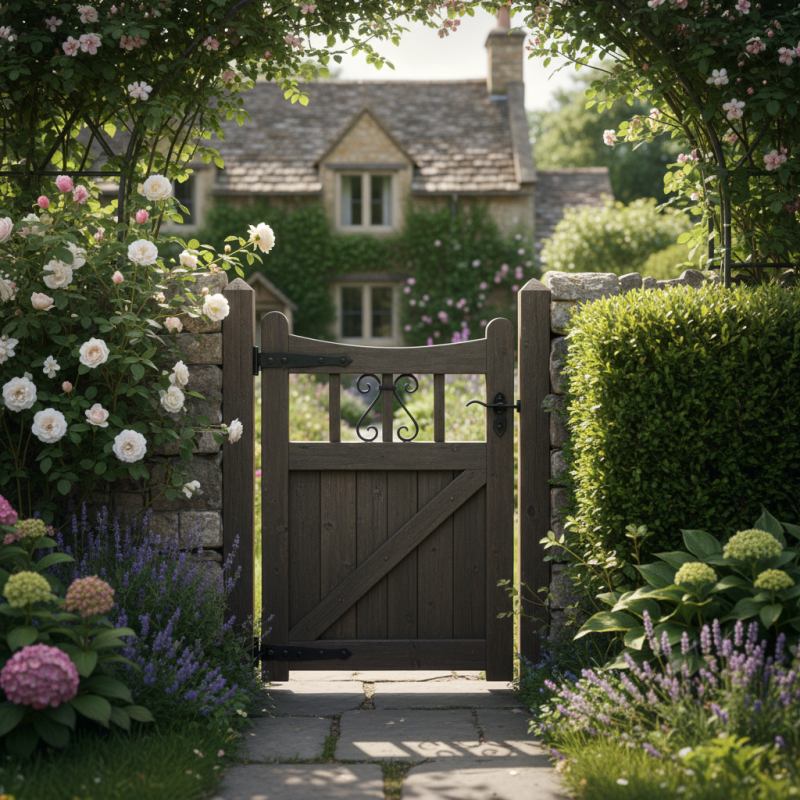
Understanding Your Needs: Purpose of the Single Garden Gate
When choosing a single garden gate, understanding your needs is crucial. The purpose of the gate can vary widely. Are you securing your garden from pests? Or maybe you want to enhance the aesthetic appeal of your yard? Defining the primary function will guide your selection process effectively.
Consider if you need privacy or easy access. A tall gate might offer more seclusion, while a shorter design promotes openness. Think about the flow of your garden and how the gate fits into that narrative. It can be a focal point or an unnoticed entry. Visualize how it complements the landscaping. Choosing the right material also matters. Wood is traditional, while metal can offer durability. Reflect on maintenance requirements too. Wood may require more frequent care than metal or vinyl.
Lastly, don’t rush the decision. Take time to examine your space and needs deeply. Measure the path where the gate will go. Ask yourself questions about durability and style preferences. Your final choice should resonate with your garden's essence while serving a practical purpose.
Measuring Your Space: Ensuring the Right Fit for Your Garden
When selecting a single garden gate, measuring your space is crucial. Proper dimensions ensure a seamless fit, enhancing both functionality and aesthetics. According to a recent landscaping report, 70% of homeowners value a balanced approach between design and practicality. To achieve this, measure the width and height of your intended gate area. Take multiple measurements to account for any irregularities in your yard.
Consider the surrounding features. If your garden has slopes or walls, these factors can affect the installation and operation of your gate. Industry data indicate that 45% of gate installation issues stem from inadequate space evaluation. For instance, a swing gate requires deeper clearance for opening. Factor in any plants or furniture nearby that might obstruct access.
Reflection on your choice of materials is equally important. Wooden gates may expand or contract with weather changes, while metal options can be durable yet heavy. Balancing durability with weight will impact installation ease. Observing your neighbors' gates can provide insight, while official guidelines suggest consulting fencing experts before making a decision. Always remember, the right measurements will lead to the best solutions.
Comparison of Garden Gate Widths
Choosing the Material: Wood, Metal, or Composite Options
Choosing the right material for your garden gate can significantly impact your home’s aesthetic and security. Wood, metal, and composite options each have their own advantages. According to a recent industry report, wood gates maintain a natural beauty that many homeowners prefer, often providing warmth and character to the garden. However, wood requires regular maintenance and is susceptible to rot and insect damage.
Metal gates, including aluminum and wrought iron, offer durability and security. Over 40% of homeowners opt for metal due to their resistance to weather and pests. They can be designed in intricate patterns, adding elegance to your outdoor space. Yet, metal can rust over time if not treated properly, especially in coastal areas with salty air.
Composite materials present a balance between both worlds. They combine recycled wood fibers and plastic, offering a durable solution. As noted in industry findings, composite gates resist fading and warping, making them low-maintenance options. However, they may not provide the same visual appeal as solid wood.
Tips:
- Consider the climate. Humidity can warp wood.
- Think about maintenance needs. Metal needs rust-proofing.
- Reflect on your style. Select a gate that complements your home’s design.
Design and Style Considerations: Enhancing Curb Appeal
When selecting a single garden gate, design and style are crucial. A well-chosen gate can significantly enhance your home’s curb appeal. According to the American Society of Landscape Architects, a striking entrance can increase property value by up to $10%. Homeowners should explore various materials, from wood to metal, as each presents unique aesthetic qualities.
Color choice also plays a vital role. A vibrant hue may catch the eye, while muted tones can provide a more subtle charm. Research by the National Association of Realtors shows that homes with well-maintained landscaping and attractive gates appeal to potential buyers more effectively. However, homeowners often overlook the gate’s functionality in their design choices.
Practicality should align with style. A beautiful gate that does not close properly can lead to frustration. Moreover, consider weather resistance based on your local climate. Durable materials may need an upfront investment but can save costs on maintenance in the long run. An artistic gate can reflect personal style, yet its primary function should never be compromised. In the pursuit of beauty, keep the balance between form and function in mind.
Budgeting: Estimating Costs and Value for Your Investment
When considering a single garden gate for your home, budgeting is crucial. Not only does it affect your choice but also impacts your overall satisfaction. Various aspects contribute to the cost, including materials, design, and installation. For instance, wooden gates can offer classic appeal but may require regular maintenance, adding long-term costs.
Tips: Research material prices in your area. Consider the longevity and maintenance requirements of different options. This will help you compare costs effectively.
Set a budget before you start browsing. A rough estimate can guide your decisions. Don't forget to factor in additional costs like hardware and installation. Some gates may look affordable but include hidden fees.
Tips: Get multiple quotes from local providers. This ensures you know the average cost and helps avoid overspending. Always weigh cost against quality to ensure you make a smart investment.
How to Choose the Best Single Garden Gate for Your Home? - Budgeting: Estimating Costs and Value for Your Investment
| Gate Type | Material | Average Cost ($) | Lifespan (Years) | Maintenance Needs |
| Wooden Gate | Wood | 200 - 500 | 10 - 15 | High (staining, sealing) |
| Vinyl Gate | Vinyl | 150 - 400 | 20 - 30 | Low (wash with soap) |
| Metal Gate | Steel / Aluminum | 300 - 800 | 15 - 25 | Moderate (rust treatment) |
| Composite Gate | Composite Materials | 250 - 600 | 20 - 25 | Low (clean with water) |
| Ornamental Gate | Wrought Iron | 400 - 900 | 20 - 30 | Moderate (paint and rust protection) |