
Choosing Chemical Mechanical Seals is not simply a matter of matching diameter and pressure. The decision begins with the fluid, temperature, speed, pressure changes, and equipment layout. A seal handling dilute acid may fail quickly in concentrated service. A design suitable for clean water may swell, crack, or leak around aggressive solvents. Small details matter.
Robert Flitney, author of Seals and Sealing Handbook, offers a practical warning: “The seal is not an isolated component.” His point remains important in chemical processing. Shaft runout, vibration, dry-running events, and poor flush control can defeat an otherwise excellent seal. I have seen specifications focus heavily on face materials while ignoring elastomer compatibility. That is an expensive oversight. Sometimes, the overlooked gasket matters more than the polished seal face.
This guide explains how to select Chemical Mechanical Seals with greater confidence. It considers carbon, silicon carbide, tungsten carbide, ceramic, and various elastomer choices. It also examines single and double arrangements, barrier systems, cooling plans, and maintenance access. The right choice should reflect real operating conditions, not ideal laboratory figures. Still, no selection method is perfect. Fluid composition can change. Operators can run equipment outside its intended range. Supplier data may also leave uncomfortable gaps. A reliable decision therefore combines manufacturer documentation, site experience, application testing, and qualified engineering review. Check the details twice. A small assumption can become a visible leak, production loss, or safety concern.
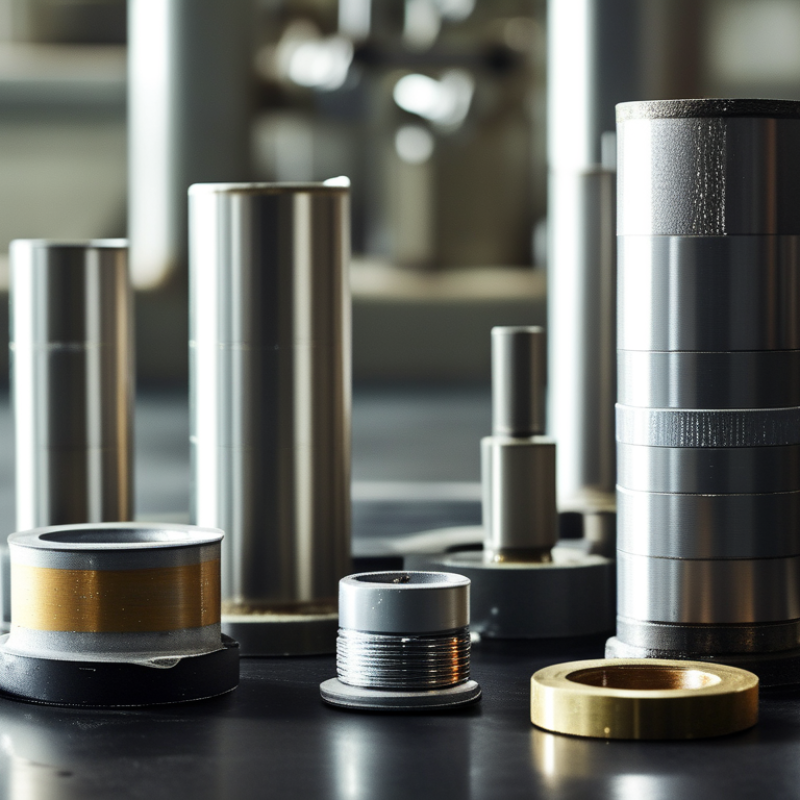
Chemical mechanical seals are engineered devices that limit fluid leakage around a rotating pump shaft. They are common in pumps handling solvents, acids, alkalis, and process liquids. Unlike a simple gasket, they work through two extremely flat contacting faces. One face rotates with the shaft, while the other remains fixed inside the seal housing.
A spring applies controlled pressure between these faces. The rotating shaft creates a very thin fluid film during operation. This film reduces friction and carries away some heat. The gap is microscopic. Secondary seals prevent leakage around the shaft and stationary face. If pressure, speed, or temperature changes, the faces may separate slightly or press together too strongly. Either condition can shorten service life.
Material selection must match the actual chemical and operating conditions. Carbon, ceramic, silicon carbide, and specialized polymers offer different resistance to wear and corrosion. Temperature, pressure, shaft speed, dry-running risk, and fluid crystallization all matter. In field inspections, I look for heat discoloration, face scoring, deposits, and dampness near the gland. These signs often reveal poor flushing or incorrect installation. Calculations help, but they are not enough. A seal that works in clean water may fail quickly with abrasive particles or volatile chemicals. Sometimes the overlooked detail is the piping arrangement, not the seal itself. Proper alignment and controlled startup remain essential.
Choosing a chemical mechanical seal starts with the process, not the equipment catalogue. Record the fluid’s composition, concentration, temperature, pressure, viscosity, and solids content. Note whether the liquid crystallizes during shutdown. A seal exposed to hot alkaline fluid may need different materials than one handling an abrasive slurry. Compatibility charts are useful, but they cannot replace application testing. Small changes in temperature can alter elastomer performance significantly.
Tips: Check the shaft speed and pressure at startup, not only normal operation. Ask whether the pump runs dry, cavitates, or cycles frequently. Inspect the seal chamber for blocked flush passages. These details often explain early leakage. Keep written operating records. Memory is unreliable.
Seal performance requirements should be measurable. Define the acceptable leakage rate, service life, maintenance interval, and allowable emissions. Select face materials that resist the process chemistry and wear conditions. Choose elastomers for the full temperature range, including cleaning cycles. For fluids containing particles, consider a design that reduces solids buildup near the faces. A controlled flush may improve cooling, but it can dilute the process or create disposal concerns. That trade-off is easy to overlook. Pressure limits also need verification under transient conditions. A seal that performs well during steady operation may fail during rapid starts or pressure spikes. Get independent technical review when the chemistry is uncertain.
Identify process conditions first, then match the seal design to pressure, temperature, shaft speed, chemical exposure, solids content, and leakage-control requirements.
The chart uses a representative 1–5 engineering screening scale, where 5 indicates the highest design priority. Cooling-water service generally emphasizes corrosion resistance and reliable operation, while solvent, hydrocarbon, and abrasive-slurry services require stronger chemical compatibility, temperature control, solids handling, and leakage management. Final seal selection should be verified against the actual fluid composition, pressure, temperature, speed, and equipment standards.
Choosing a chemical mechanical seal begins with the fluid, not the equipment catalog. Record concentration, temperature, pressure, abrasive content, and startup conditions. A seal exposed to 80°C caustic solution faces different risks from one handling a cool solvent. API 682 and ISO 21049 both emphasize matching seal construction to actual operating conditions.
Material compatibility deserves careful comparison. Silicon carbide offers high hardness and strong resistance to many corrosive fluids, making it useful where particles can score the faces. Carbon provides good running properties, but it may oxidize or wear in severe chemical service. PTFE handles many aggressive chemicals, although heat and compression can cause creep. EPDM performs well with water-based chemicals but is unsuitable for many hydrocarbon fluids. FKM tolerates heat and oils, yet some amines and polar solvents can attack it. Check the complete material combination, not one component.
Durability also affects operating cost. The NACE IMPACT study estimated global corrosion costs at about 2.5 trillion US dollars annually, or 3.4% of global GDP. Seal leakage is only one small part, but poor material choices can accelerate equipment damage. The US Department of Energy reports that pumping systems may consume about 25% of industrial electricity. A seal that runs cooler and avoids repeated shutdowns can support efficiency, though this claim needs site data. In maintenance reviews, compatibility charts sometimes look reassuring. They are not final proof. Test the seal with real fluid, temperature cycling, and contamination. Small oversights matter.
| Material | Seal Component | Typical Temperature Range* | Chemical Compatibility | Durability and Wear Resistance | Main Limitations | Common Applications |
|---|---|---|---|---|---|---|
| Carbon Graphite | Primary or mating face | Approximately -50 to 260°C, grade-dependent | Good resistance to many aqueous solutions, oils, and mild chemicals. Resin-impregnated grades require careful chemical review. | Low friction and good conformability; suitable for many general-purpose services. Less resistant to abrasive solids than hard faces. | Can oxidize at elevated temperatures in air; vulnerable to abrasive particles and some highly oxidizing chemicals. | Water, oils, solvents, and general chemical pumps. |
| Silicon Carbide | Primary or mating face | Approximately -50 to 400°C, design- and grade-dependent | Excellent resistance to many acids, alkalis, solvents, and corrosive fluids. Porous or reaction-bonded grades may have different limits. | Very high hardness, excellent abrasion resistance, and good thermal conductivity; suitable for demanding services. | Brittle and sensitive to impact, misalignment, dry running, and sudden thermal shock. | Acids, caustics, slurries, solvents, and highly corrosive process fluids. |
| Tungsten Carbide | Primary or mating face | Approximately -30 to 250°C, binder- and design-dependent | Generally suitable for oils, water, and abrasive process fluids. Chemical resistance depends strongly on the metallic binder used. | Extremely hard and highly resistant to impact and abrasive wear; often more impact-tolerant than silicon carbide. | Certain binders can corrode in strong acids or aggressive chemical environments; heavier than ceramic faces. | Slurries, wastewater, hydrocarbons, and abrasive liquids. |
| Alumina Ceramic | Primary or mating face | Approximately -30 to 350°C, grade- and thermal-shock-dependent | Good resistance to many chemicals, water, and solvents; suitability varies with acid, alkali, and temperature conditions. | Hard, electrically insulating, and resistant to corrosion and wear in clean services. | Lower fracture toughness than carbide materials; vulnerable to impact, vibration, and rapid temperature changes. | Clean chemical liquids, water treatment, and moderate-duty process equipment. |
| PTFE | Secondary seal or gasket | Approximately -200 to 260°C, compound- and pressure-dependent | Excellent resistance to most acids, bases, solvents, and oxidizing chemicals; some fluorinated compounds and molten alkali metals require special review. | Very low friction and excellent chemical stability; filled grades can improve wear and creep resistance. | Creep, cold flow, and limited elastic recovery can affect sealing under pressure or repeated cycling. | Aggressive chemicals, solvents, acids, and high-purity process fluids. |
| EPDM | O-ring or secondary seal | Approximately -50 to 150°C, compound-dependent | Excellent with hot water, steam, dilute acids, dilute alkalis, and polar fluids. | Good resistance to weathering, ozone, and aging; maintains flexibility over a broad temperature range. | Poor compatibility with mineral oils, fuels, and many hydrocarbon-based fluids. | Water systems, steam, sanitary processes, and dilute chemical solutions. |
| FKM Fluoroelastomer | O-ring or secondary seal | Approximately -20 to 200°C, compound-dependent | Good resistance to mineral oils, fuels, many hydrocarbons, and numerous chemicals. | Good high-temperature performance, compression-set resistance, and aging resistance. | May be unsuitable for hot water, steam, strong alkalis, amines, and some polar chemicals. | Hydrocarbons, oils, fuels, and elevated-temperature chemical services. |
| FFKM Perfluoroelastomer | O-ring or secondary seal | Approximately -20 to 320°C, compound-dependent | Very broad resistance to acids, bases, solvents, hydrocarbons, and aggressive chemicals. | Excellent chemical and high-temperature resistance with low permeability in demanding applications. | High cost; some grades have limited low-temperature flexibility and require careful compression design. | Highly aggressive chemicals, high-temperature reactors, and critical process equipment. |
*Temperature ranges are indicative material limits, not guaranteed operating limits. Pressure, speed, lubrication, face loading, thermal management, and the specific compound or grade must be checked for the actual application.
Selecting a chemical mechanical seal starts with the fluid, not the pump name. Record concentration, temperature, pressure, viscosity, and crystallization risk. A seal facing strong oxidizers needs different materials from one handling mild solvents. Face combinations may include carbon, ceramic, silicon carbide, or tungsten carbide. The elastomer also matters. Some compounds swell quickly in acids or hydrocarbons. I would always verify compatibility using current technical data, not memory.
Size must match more than the shaft diameter. Check shaft runout, sleeve dimensions, seal chamber depth, and available axial space. A balanced design can reduce face loading in high-pressure service. A cartridge design may simplify installation where access is limited. Component seals can suit standard equipment, but they demand more careful measurements. Small errors become leaks. They often do.
Installation quality strongly affects service life. Clean the shaft, gland, and mating surfaces before assembly. Never touch polished faces with dirty gloves. Protect the seal faces from impact, and lubricate only with a compatible fluid. Confirm spring direction, rotation, setting length, and flush connections. Tighten fasteners gradually and evenly. After startup, watch temperature, vibration, leakage, and pressure changes. A brief inspection can reveal a misaligned shaft or blocked flush line. If the operating data is uncertain, pause and recheck the design. A cheaper seal can become expensive after one preventable failure.
Choosing a chemical mechanical seal begins with the maintenance environment, not the catalog price. Ask how often operators can inspect the pump, whether the fluid crystallizes, and how quickly a leak can be detected. A seal exposed to abrasive solids may need flushing, filtration, or a more robust face arrangement. Keep access practical. If inspection requires half a day, maintenance will probably be delayed.
Safety deserves measurable attention. API 682 guidance emphasizes containment, secondary sealing, monitoring, and suitable materials for hazardous services. A visible drip is not a minor warning when the liquid is toxic, flammable, or reactive. Specify pressure, temperature, vapor pressure, and chemical compatibility together. Missing one variable can invalidate an otherwise careful selection. It happens.
Total cost extends far beyond the purchase invoice. The U.S. Department of Energy’s Pump Life Cycle Costs guide reports that energy can represent 40% or more of a pumping system’s lifetime cost. Its pumping-system sourcebook also notes that pumping may consume 25% to 50% of industrial facility electricity. A seal that reduces leakage may lower cleaning, product-loss, and shutdown costs, even when its initial price is higher. Calculate labor hours, replacement frequency, spare inventory, disposal, and lost production. Use actual plant records where possible. Estimates are useful, but they are still estimates. A small mistake in duty assumptions can make a cheap seal look economical for years. It may fail within weeks.
Join our mailing list to receive the latest news and updates from our team.