Top 10 Tips for Choosing Pump Spare Parts Effectively?
Choosing the right Pump Spare Parts is crucial for the efficiency and longevity of your equipment. Misalignment in this area can lead to costly downtimes. According to a report by MarketsandMarkets, the global pump market is projected to reach $104.48 billion by 2025, emphasizing the importance of quality components. Investing wisely in pump spare parts ensures operational reliability.
Inadequate selection can result in suboptimal performance. A study by the Hydraulic Institute highlights that nearly 30% of all pump failures are tied to faulty components. Selecting incorrect or poor-quality Pump Spare Parts not only impacts productivity but can also lead to safety risks. Companies must take this seriously. An informed decision requires understanding specifications and compatibility with existing systems.
Moreover, the availability of pump spare parts can vary significantly. Factors like supply chain issues and manufacturer credibility can affect accessibility. It's essential to identify reliable suppliers who understand industry standards. While finding the ideal match may take time, the long-term benefits outweigh the initial effort.
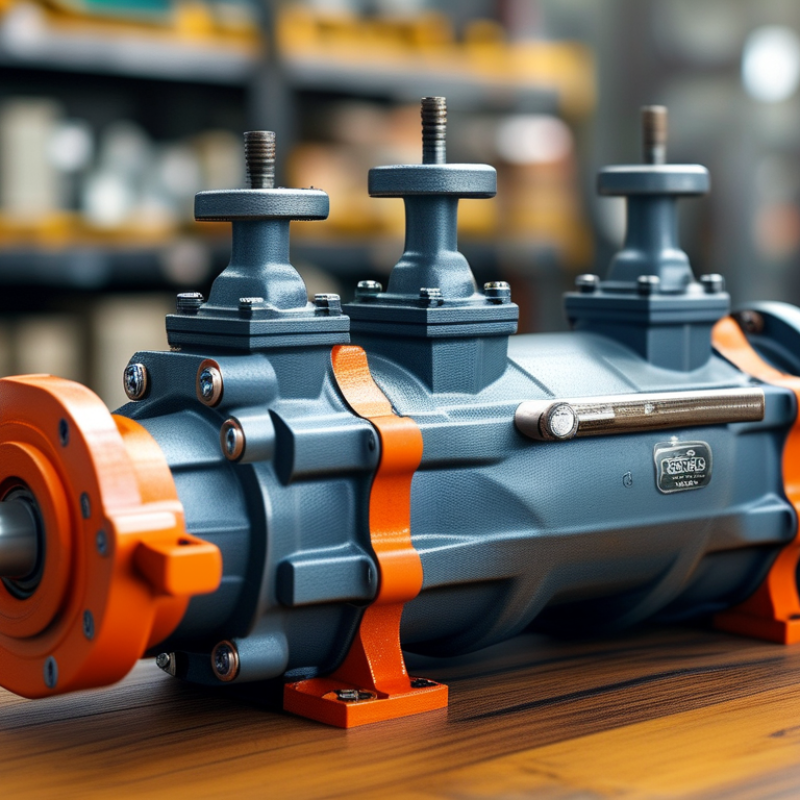
Understanding Pump Types and Their Specific Spare Parts Requirements
When selecting pump spare parts, understanding the specific requirements of different pump types is crucial. Various pumps, from centrifugal to diaphragm, have unique components that affect their performance. For instance, centrifugal pumps often need impellers and mechanical seals, while diaphragm pumps require diaphragms and valves. Recognizing these distinct parts helps ensure effective replacements.
Each pump type has specific challenges. A centrifugal pump may face issues with cavitation, leading to wear on its impeller. On the other hand, diaphragm pumps can experience material fatigue due to fluctuating pressures. Familiarity with these challenges aids in selecting the right spare parts. Relying on general information can lead to wrong choices, impacting the pump's efficiency and lifespan.
A thorough understanding of the operational environment is also important. Factors like temperature, pressure, and fluid type influence the material choices for spare parts. For example, high-temperature fluids may require specialized seals to prevent breakdown. Understanding these dynamics is key to making informed decisions about spare parts that will stand the test of time.
Evaluating Quality Standards for Spare Parts in Pump Systems
When selecting spare parts for pump systems, evaluating quality standards is crucial. Reliable data suggests that more than 70% of pump failures are linked to subpar components. Understanding material quality is key; for instance, corrosion-resistant materials enhance longevity. Using parts that meet recognized standards, like ISO 9001, ensures consistency in performance.
In addition to material quality, it's vital to examine manufacturing processes. A recent report highlights that improper manufacturing can lead to a 30% decrease in pump efficiency. Inspecting certifications and testing measures can provide insights. Regular audits of suppliers can reveal inconsistencies in quality. Yet, many companies fail to perform these checks, which can result in costly downtime.
Awareness of warranty and support is another aspect to consider. While a longer warranty often reflects confidence in product quality, it isn’t always guaranteed. Reviewing service agreements helps identify support levels, ensuring that assistance is available when needed. Often overlooked, this step can lead to long-term savings. Selecting quality spare parts is not just about immediate needs; it’s about investing in reliability and performance.
Top 10 Tips for Choosing Pump Spare Parts Effectively
Analyzing Material Compatibility for Pump Spare Parts Durability
When selecting spare parts for pumps, material compatibility is crucial for ensuring durability. Materials should withstand harsh environments, including corrosion and extreme temperatures. According to industry studies, nearly 30% of pump failures arise from incompatible materials. This statistic highlights the need for careful selection.
For instance, metals like stainless steel are often used in corrosive fluids. However, not all grades are suitable. Using inferior grades can lead to rapid degradation and costly downtime. A recent report by the Hydraulic Institute revealed that improper material selection can increase maintenance costs by up to 20%. Checking compatibility with the specific fluid type is essential to enhance longevity.
Additionally, elastomers used in seals and gaskets must match the fluid's chemical properties. Failure to choose the right elastomer can compromise seal integrity. Research shows that over 40% of seal failures are linked to material incompatibility. This is a significant factor to consider for optimal pump performance. Always consult material safety data sheets (MSDS) for detailed compatibility information. Making informed choices can dramatically reduce unexpected failures and increase efficiency.
Considering Manufacturer Reputation and Technical Support Services
When selecting pump spare parts, considering the manufacturer's reputation is crucial. A company known for quality often ensures a reliable product. This reputation provides assurance that the parts will perform well under pressure. Look for feedback from previous customers. Reviews can reveal the reliability of both products and services. A manufacturer with a strong track record will likely offer durable parts that meet industry standards.
Technical support services also play a vital role. Efficient support can make a significant difference during installation or unforeseen issues. A manufacturer with responsive technical assistance is a valuable partner. This can save time and minimize downtime when problems arise. Reflect on past experiences with different manufacturers. Did their support meet your expectations? Solid technical support indicates a commitment to customer satisfaction. It often reflects the company's overall dedication to excellence in product delivery.
Utilizing Data and Analytics for Cost-Effective Spare Parts Selection
When selecting pump spare parts, leveraging data and analytics can enhance decision-making. Companies often collect vast amounts of data from operations. Analyzing this data helps identify which parts are most frequently needed. This insight can drive cost-effective choices and reduce downtime.
It's important to note that using data effectively requires careful consideration. Not all data points carry equal weight, and some may lead to misguided decisions. Additionally, data can become outdated quickly, so continuous monitoring is crucial. Regularly reviewing the performance of selected parts against emerging trends ensures that choices remain relevant.
Investing in predictive analytics can provide foresight into potential failures. This approach enables proactive part replacements rather than reactive ones. However, relying solely on analytics can lead to overlooking valuable human insights. Personal experience from technicians remains invaluable. Balancing data-driven strategies with expert opinions is essential for effective spare parts selection.