How to Choose the Best Carbide Burr for Your Projects?
Choosing the right Carbide Burr for your projects is essential for achieving the best results. Renowned expert John Smith, a veteran in the machining industry, states, “Selecting the right tool can make all the difference in precision and efficiency.” Carbide burrs are a popular choice for their durability and effectiveness in various applications. However, the array of options can be overwhelming.
Understanding the specific requirements of your project is crucial. Consider factors such as the material you will be working with, the desired finish, and the burr type. Each carbide burr serves a unique purpose. For example, some are designed for fine detailing, while others excel in removing large amounts of material quickly.
It's easy to fall into the trap of choosing a burr based on brand alone. Remember, the best carbide burr for your work isn't always the most expensive or the most popular. Sometimes, you might find that the most affordable option meets your needs perfectly. Reflecting on your experiences and the performance of different burrs can guide you to make informed choices.
Understanding Carbide Burrs and Their Applications
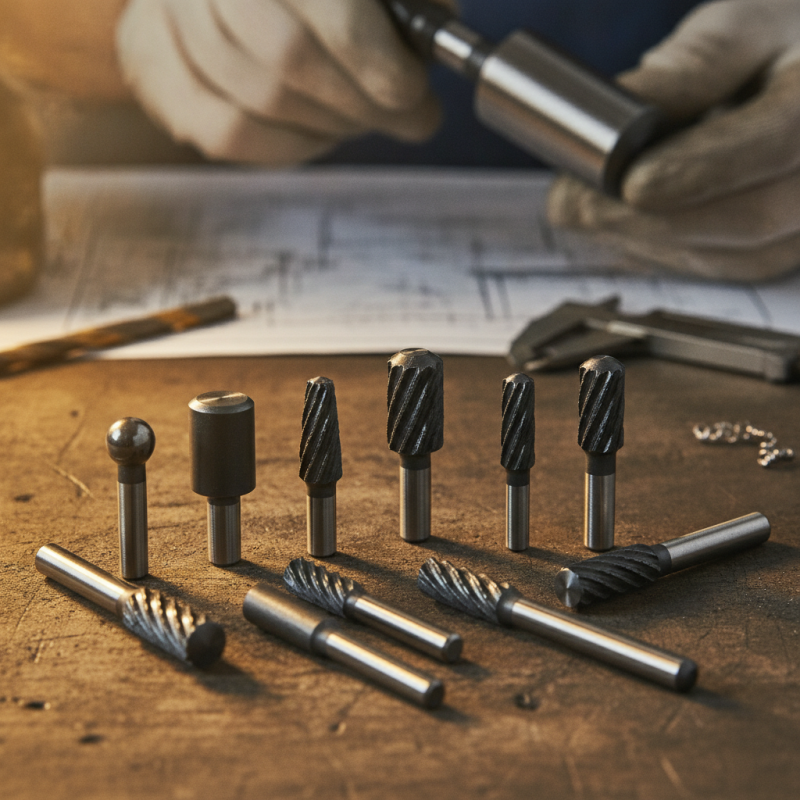
Carbide burrs are essential tools in various projects, from metalworking to woodworking. These small, cutting tools come in different shapes and sizes, allowing for versatility in applications. Each shape serves a specific purpose, such as shaping, grinding, or polishing materials. Understanding their characteristics can help you select the right burr for your task.
When choosing a carbide burr, consider the material you'll work with. Some burrs are designed for soft metals, while others excel in harder materials. The size of the burr also matters; a larger burr can remove material faster, but it may not reach tight spaces. Conversely, smaller burrs allow for detailed work but take longer to finish. It’s important to evaluate the balance between efficiency and precision based on your project needs.
Even experienced users can struggle with choosing the right burr. Often, our intuition can lead us to overlook a better option. Testing different burrs can reveal surprising results, highlighting the learning curve in mastering these tools. Each project may require a different approach, and reflecting on past experiences can guide future decisions. Understanding the right carbide burrs elevates the quality of your work, ensuring better outcomes in the long run.
Types of Carbide Burrs: Shapes and Sizes Explained
Choosing the right carbide burr can greatly impact your project outcomes. Carbide burrs come in various shapes and sizes, each designed for specific tasks. Understanding these differences is crucial for effective work.
There are two main categories of burr shapes: cylindrical and spherical. Cylindrical burrs are ideal for creating flat surfaces and slots. Their shape allows for efficient material removal. Spherical burrs, on the other hand, excel in shaping curves and recesses. Their rounded tips can reach tight angles, making them versatile for detailed work.
The size of the burr also plays a significant role. Smaller burrs fit into intricate areas, delivering precision in tight spaces. Larger burrs, however, are better suited for broader surfaces. Keep in mind that while some users prefer larger burrs for speed, they may compromise on detail. Assess your project's requirements carefully. Each burr type has advantages and limitations. Familiarizing yourself with these can save time and improve results.
Factors to Consider When Choosing a Carbide Burr
Choosing the right carbide burr is essential for your projects. There are several factors to consider to ensure you select the best tool for your needs.
Material type plays a significant role in your choice. For harder materials, opt for a finer grit burr. For softer materials, a coarser burr may suffice. Assess how you'll use the burr: shaping, engraving, or removing material. Each application requires a different type. The burr shape matters, too. A flame-shaped burr is great for contours, while a cylindrical burr works well for flat surfaces.
Tips: Always test different shapes on scrap material before committing. This helps you understand how they perform. Keep in mind that burrs can wear down over time. Check for signs of wear regularly. If a burr stops cutting effectively, it might be time to replace it.
Another crucial factor is the size of the burr. Smaller burrs allow for precision work, while larger burrs are effective for bulk material removal. Be mindful of the size best suited to your projects. Adequate speed is also key. Using the right RPM will enhance performance and extend the burr’s life.
Tips: Don’t underestimate the power of technique. A steady hand and the proper angle can improve results significantly. Safety should always be a priority. Use appropriate personal protective equipment to prevent accidents while working.
How to Choose the Best Carbide Burr for Your Projects
Selecting the Right Material for Your Project Needs
Choosing the right material for your project is crucial. A carbide burr’s effectiveness largely depends on its composition. Carbide is typically hardened and holds a sharp edge longer. This is beneficial for grinding, cutting, and shaping hard materials like metals and woods.
Keep in mind the types of projects you undertake. For softer materials, such as aluminum, you might not need a burr that is too aggressive. A finer burr can provide more control and precision. On the other hand, tougher materials require robust burrs that can withstand heat and strain. Consider your project demands carefully.
Tip: Always test a small area before committing. This will prevent any costly mistakes.
Additionally, think about the burr shape. Different shapes serve varied functions. For intricate details, use a pointed burr. For wider surfaces, a cylindrical or ball-shaped burr works best. Using the wrong shape can lead to poorly finished projects or excessive material loss.
Tip: Keep your workspace organized. Having the right tools within reach minimizes frustration and maximizes focus.
Maintenance Tips for Prolonging the Life of Carbide Burrs
When using carbide burrs, maintaining them is crucial for extending their lifespan. A well-maintained burr can last up to five times longer than a neglected one, according to industry reports. Proper care not only saves money but also ensures efficiency in your projects.
Regular cleaning is essential. After each use, remove debris using a brush. Grit and dust can wear down burrs. Consider soaking the burrs in a gentle solvent for a thorough clean. Avoiding harsh chemicals prevents damage. Inspections for wear and tear should happen frequently. If chips appear, it's time to replace your burr.
Store carbide burrs in a protective case. A damp environment can cause rust. Keep them dry to maintain cutting efficiency. Dull burrs can slow down work and lead to frustration. Sharpening them regularly can make a significant difference.
Remember, improper use can lead to rapid wear. Using too much pressure can shorten the lifespan significantly. Understanding the correct speed and feed rates is vital. Slight mistakes can result in poor performance, so care is needed. Prioritizing maintenance ensures that your tools remain reliable and effective for your projects.
How to Choose the Best Carbide Burr for Your Projects? - Maintenance Tips for Prolonging the Life of Carbide Burrs
| Dimension | Details |
| Material | Carbide |
| Shapes | Ball, Cylinder, End Cut, Tree, Tapered |
| Sizes | 1/16", 1/8", 1/4", 3/8", 1/2" |
| Applications | Metalworking, Woodworking, Automotive Repair, Jewelry Making |
| Speed Recommendations | 10,000 - 30,000 RPM |
| Maintenance Tips | Clean after use, Store in a dry place, Avoid excessive heat |
| Lifespan | High-quality burrs can last for several months with proper care |