What is Direct Attach Cable and How Does It Work?
Direct Attach Cable (DAC) technology plays a crucial role in modern data centers. As businesses demand faster networking solutions, DAC offers a reliable alternative to traditional fiber optics. According to a recent report by MarketsandMarkets, the global DAC market is expected to grow at a CAGR of 8.3% from 2022 to 2027. This growth is primarily driven by increasing data center investments and the need for high-speed connectivity.
DAC consists of copper cables with connectors at both ends. These cables facilitate direct connections between devices like switches and servers. They significantly reduce latency, offering a cost-effective solution. Though DACs are versatile, they have limitations, such as distance restrictions. They typically cover short distances up to 7 meters, making them less effective for long-range applications.
While many organizations appreciate DAC's affordability and simplicity, they must weigh these advantages against their specific needs. DAC can be a game-changer but is not always the best fit for every environment. Understanding their use cases is essential for maximizing performance and ensuring reliable connections in fast-paced networks.
What is Direct Attach Cable (DAC)?
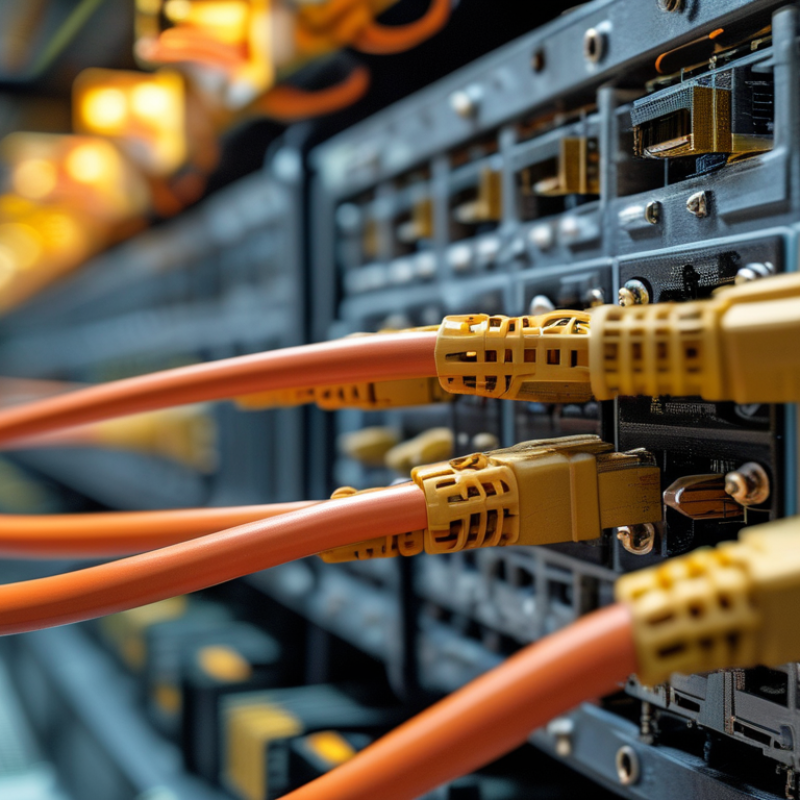
Direct Attach Cable (DAC) is a type of high-speed cable used in data centers and networking environments. It connects devices like switches, routers, and servers directly. DACs use copper wires to transmit data over short distances. They offer a cost-effective solution for connecting equipment without the need for additional transceivers.
These cables come in various lengths, typically ranging from 0.5 meters to 7 meters. The flexibility in length helps to minimize clutter in networking setups. However, DACs are best suited for short-range applications. For longer distances, other solutions may be more reliable. This can sometimes lead to misunderstandings about their optimal use cases.
Consider checking compatibility before purchasing a DAC. Not all devices are designed to work with every type of DAC available. The connectors and specifications can vary. It’s also wise to monitor for any wear or performance issues. Regular checks can help ensure your network runs smoothly and efficiently.
When using DACs, be mindful of heat generation. They may run hotter than expected, especially in densely packed racks. Maintaining good airflow is essential. Adequate cooling can prolong the life of your cables and devices, enhancing overall performance.
Components of Direct Attach Cable
Direct Attach Cable (DAC) is a popular choice in data centers and networking. Understanding its components helps in grasping its functionality. At its core, a DAC consists of two major components: copper cables and transceivers. The cables are usually made of copper wire and can be flexible or rigid. This flexibility enhances installation options, especially in tight spaces.
Transceivers play a crucial role in DAC. These small devices convert electrical signals into optical signals and vice versa. They ensure seamless communication between network devices. The integration of both cables and transceivers leads to a cost-effective solution for short-distance connections.
When working with DAC, consider installation practices. Ensure cables are not overly stretched or bent. Doing so can affect performance. Regularly check connections to prevent signal loss. This makes a significant difference in overall efficiency. For optimal performance, choose the right length and type of DAC for your specific needs.
How Direct Attach Cable Works: A Technical Overview
Direct Attach Cable (DAC) is a crucial component in data centers and network environments. It is used for high-speed data transfer between devices. The cable features integrated connectors and can connect switches, servers, and storage systems directly. Understanding its workings can significantly enhance network performance and efficiency.
How DAC works involves a straightforward principle. It transmits data using electrical signals over copper wires. This method minimizes latency, allowing for rapid data exchange in short distances. DAC typically supports various protocols, including Ethernet and Fibre Channel. The cables come in various lengths, making them versatile for different setups. Users should note the importance of cable quality as it affects data integrity.
When implementing DAC, consider the layout of your network. Managing cable lengths can impact performance. Too long cables can introduce latency, while too short cables can create tension. Ensure proper labeling for easy identification and troubleshooting. Reflect on your current setup and adapt as needed. A small adjustment can yield significant improvements.
Advantages of Using Direct Attach Cables in Networking
Direct Attach Cables (DACs) are a popular choice for networking because of their simplicity and effectiveness. These cables provide a direct connection between network devices, minimizing latency and supporting high-speed data transmission. This direct linkage is particularly useful in data centers and server rooms where devices are located close to each other. The solid construction of DACs also allows them to withstand higher temperatures, which can be a concern in densely packed setups.
One major advantage of using DACs is their cost-effectiveness. Compared to traditional fiber optics, DACs often require less investment. They come pre-terminated, eliminating the need for additional splicing or connectors. This feature may save time during installation. Furthermore, DACs tend to consume less power, making them appealing for energy-conscious facilities. However, it is essential to note that their reach is limited compared to fiber cables, which may require careful planning regarding network layouts.
Despite the advantages, there are areas where DACs can fall short. The inflexibility of cables can pose installation challenges in certain environments. Additionally, as networks scale, reliance on DACs can lead to management difficulties. Balancing performance needs with physical limitations and growth potential demands careful consideration. Users should evaluate both the immediate benefits and long-term implications when integrating DACs into their infrastructure.
Common Applications of Direct Attach Cables in Data Centers
Direct Attach Cables (DACs) are an essential component in modern data centers. They provide a reliable and cost-effective solution for short-distance interconnectivity. Their applications are numerous, as they support high-speed data transfers between networking devices. This helps maintain an efficient and scalable infrastructure.
In data centers, DACs are widely used for connecting switches to servers. Their low latency and reduced power consumption make them suitable for high-performance tasks. Using DACs can simplify cable management. With fewer components, they can create a cleaner and more organized setup. However, one must consider the appropriate cable length to avoid signal degradation. Shorter runs can enhance performance, but they may not always suit larger setups.
When deploying DACs, some common pitfalls can arise. Poor cable handling can lead to cable damage or connectivity issues. It's crucial to familiarize yourself with best practices for installation. Additionally, regularly inspecting cables for wear and tear can prevent future problems. Regular maintenance is essential for ensuring reliability. Understanding the specific needs of your data center can guide the effective use of DACs.