
What Are Farm Tarps and Which Type Is Best?

Farm Tarps are practical covers used to protect hay, feed, machinery, soil, and temporary work areas. On a working farm, a tarp may face sharp corners, strong wind, muddy ground, and hours of sunlight. A cover that looks durable in a shop can split after one rough season.

The best tarp depends on the job. Heavy-duty polyethylene tarps offer water resistance and useful tear strength. Mesh tarps allow airflow and can reduce wind pressure around livestock areas. Canvas tarps feel sturdy and breathe well, but they may require more care during wet weather. Silage sheets serve a different purpose and should not be confused with general equipment covers. Small details matter, including fabric thickness, reinforced edges, grommet spacing, UV protection, and finished dimensions.

There is no single “best” farm tarp for every condition. A large cover may provide better protection, yet it can become difficult to secure safely in high winds. A cheaper tarp may reduce immediate costs, but replacement expenses can grow quickly. Choosing only by price is a common mistake. So is choosing only by thickness.

This guide examines common Farm Tarps and explains where each type performs well. It considers weather exposure, expected service life, handling needs, and storage conditions. Practical judgment remains important. Even reliable product ratings cannot predict every barn, field, or storm. Measure carefully, inspect the covering regularly, and choose a design suited to the actual work.
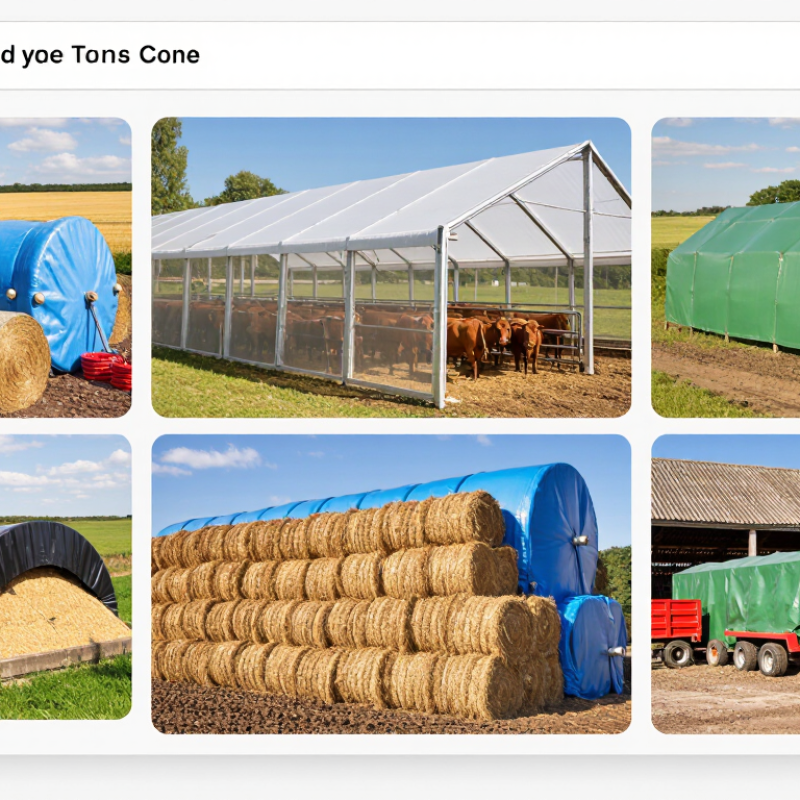
What Are Farm Tarps and Which Type Is Best?

Farm Tarps Defined: Materials, Weaves, and Core Agricultural Uses

Farm tarps are protective covers made for outdoor agricultural work, but the term describes several different fabrics. Woven polyethylene is common: narrow plastic strips cross in a grid, then receive coatings that help resist rain. A tighter, heavier weave often stands up better to abrasion, though it can also be harder to handle. UV protection matters when a tarp sits in open sun for weeks. I would not treat a printed weight or rating as a guarantee; seams and tie-down points often wear first.

Canvas, usually cotton or a cotton blend, allows more airflow than coated plastic and can suit equipment covers where condensation is a concern. It is heavier when wet and may need more drying time. PVC-coated fabrics are generally tough and water-resistant, making them useful for demanding covers, but their weight can complicate frequent handling. Mesh tarps let air pass through and can provide shade or reduce wind, but they do not keep out steady rain. Not every tarp sheds water.

Common farm uses include covering hay, machinery, feed, or stacked materials, as well as temporary shade and wind protection. Match the material to the job: a waterproof cover can trap moisture against a damp load, while a breathable one may not protect against driving rain. Check the seams, too. I find that trade-off easy to underestimate. Tie-down spacing, edge reinforcement, and exposure to sun can matter as much as the fabric itself.

Polyethylene, PVC, and Mesh Tarps Compared by GSM, UV Protection, and Airflow

Farm tarps protect hay, equipment, soil, and temporary work areas, but the right choice depends on weather and airflow. GSM means grams per square metre; it describes fabric weight, not strength by itself. A heavier tarp may resist handling better, yet seams, weave, and UV treatment matter too. Check the product details.

Polyethylene tarps are often lighter and easier to fold over a hay stack or garden bed. Their GSM varies widely, so compare specifications rather than assuming all polyethylene is equally tough. UV protection helps slow sun damage, but exposure, color, and construction affect service life. Look for clear UV information, not just a high GSM.

PVC tarps are generally heavier, with a coated surface suited to repeated handling and wet conditions. That weight can make installation harder on a windy day. Mesh tarps trade full rain coverage for airflow, which can reduce heat buildup around livestock areas or drying crops. They do not keep out driving rain or fine dust. There is no perfect option. A tarp that blocks rain may trap unwanted moisture underneath; inspect the covered material after weather changes. Weigh the tarp, feel its edges, and check how it will be secured before choosing.

What Are Farm Tarps and Which Type Is Best?

Polyethylene, PVC, and mesh tarps compared by representative weight, UV protection, and airflow.

Typical Material Weight (GSM)

Indicative UV Blocking (%)

Relative Airflow (Index 0–10)

Representative values for common tarp constructions: actual GSM and UV performance vary by thickness, coating, weave, and manufacturer. The airflow index is qualitative: solid polyethylene and PVC block most airflow, while mesh permits substantially more. Choose solid tarps for weather coverage and mesh when ventilation is important.

Tarp Weight Explained: How Common 180–250 GSM Covers Suit Farm Tasks

What Are Farm Tarps and Which Type Is Best?

GSM means grams per square meter, a measure of fabric weight. A 180 GSM tarp is a practical midweight cover for short-term jobs, such as shielding feed bags or covering a small stack of cut wood. It is easier to fold and move than heavier options. However, sharp corners and steady wind can wear it quickly.

Around 200–250 GSM, a tarp generally feels sturdier and is better suited to covering hay, equipment, or materials left outdoors longer. The extra weight can help it stay in place, but it does not make it windproof. Check the stitching, reinforced edges, grommets, and UV protection too. GSM alone cannot tell you how long a tarp will last. There is no single best weight for every farm; even a heavy cover can fail if it rubs against a rough metal edge.

Tips: Match the tarp to the job and how often you will move it. Secure every corner, and inspect seams after windy weather. A small tear can grow. I would not assume a heavier tarp is always the smarter buy; handling it in the rain can be awkward.

Check Coated-Fabric Durability Using ASTM D751 Test Methods

What Are Farm Tarps and Which Type Is Best?

Farm tarps protect hay, machinery, soil, and livestock areas from rain, wind, and sunlight. Woven polyethylene tarps are light and affordable. PVC-coated polyester tarps usually offer better abrasion resistance and dimensional stability. Canvas can breathe, but it may absorb moisture and need more maintenance.

Coated-fabric durability should be checked with ASTM D751 test methods. These methods can evaluate breaking strength, elongation, tear resistance, coating adhesion, and hydrostatic resistance. A strong tarp should resist pulling when stretched over a sharp-edged load. It should also keep its coating attached after repeated handling. Laboratory results are useful, but they do not perfectly predict every farm condition. Dirt, frozen folds, poor tie-downs, and constant wind can still cause early failure. That limitation deserves attention.

Tips: Ask for test data that matches the tarp’s intended use. Check both warp and weft directions. Inspect reinforced hems, eyelets, and welded seams, because these areas often fail first. Rub a sample against a rough surface, then examine cracking, peeling, or exposed fabric. Store the tarp dry and loosely folded when possible. Do not drag it across gravel. Even durable coatings can be damaged quickly. A thicker material is not automatically the best choice; weight, flexibility, sunlight exposure, and repair needs should guide the decision.

Choose the Best Tarp for Hay, Crops, Livestock, or Equipment**

A farm tarp should match the material underneath it. Hay needs a water-resistant, breathable cover that limits condensation. A tightly sealed sheet can trap moisture, especially over warm bales. The USDA’s Agricultural Statistics reports show hay remains a major U.S. feed crop, with production exceeding 100 million tons in many recent years. That scale makes small storage errors expensive. Choose a reinforced woven polyethylene tarp, secure it above the bales, and leave airflow around the sides.

Crops need different protection. A UV-stabilized tarp can shield harvested produce from sun, dust, and brief rain during transport. However, it should not replace proper ventilation or temperature control. FAO’s The State of Food and Agriculture 2019 estimates that 14% of food is lost between harvest and retail. Tarp selection cannot solve every loss, but reducing wetting and heat exposure helps. Check the crop twice daily. The forecast is not always right.

Livestock require shade, airflow, and safe edges. Use a breathable shade mesh with strong perimeter stitching, mounted high enough to prevent contact. Never create a sealed enclosure over animals. For tractors and implements, choose a heavier waterproof tarp with reinforced corners and abrasion resistance. Measure the equipment first. Excess fabric often flaps, rubs paint, and tears eyelets. A practical mistake is buying the thickest tarp available; strength matters, but weight and ventilation matter too. References: USDA National Agricultural Statistics Service, Agricultural Statistics; FAO, The State of Food and Agriculture 2019.

What Are Farm Tarps and Which Type Is Best? - Choose the Best Tarp for Hay, Crops, Livestock, or Equipment

Tarp Type Typical Material Water Resistance Breathability UV Resistance Best Agricultural Use Important Considerations
Woven Polyethylene Tarp Woven polyethylene fabric with laminated coatings High when seams and edges are intact Low Usually moderate to high, depending on coating Covering hay, feed, machinery, pallets, and temporary storage areas Use a raised or sloped cover so water can drain. Do not seal damp hay under a non-breathable tarp.
Heavy-Duty PVC-Coated Tarp Polyester or polyethylene base with PVC coating Very high when properly tensioned Very low High in products designed for outdoor exposure Long-term equipment, trailer, building, and bulk-material protection Heavier and less flexible than polyethylene. Secure it carefully to reduce wind loads.
Breathable Hay Tarp Coated woven fabric with controlled vapor transmission Moderate to high; varies by construction Higher than solid plastic tarps Often high, but product specifications should be checked Round or square hay stored outdoors Hay should be adequately dry before covering. Keep the tarp above the stack and allow drainage around the sides.
Mesh or Shade Tarp Woven polyethylene, polypropylene, or coated mesh Low to moderate, depending on mesh opening High Moderate to high when UV-stabilized Shade structures, wind reduction, livestock shelters, and crop protection It cannot provide the same rain protection as a solid tarp. Select shade percentage according to crop or animal needs.
Silage or Bunker Cover Heavy polyethylene film or reinforced polyethylene fabric Very high when overlapped and weighted correctly Very low Moderate to high, depending on intended storage period Sealing silage piles, bunker silos, and forage storage Use continuous coverage, adequate overlap, and approved weights. Inspect for punctures and repair them promptly.
Clear Greenhouse or Crop Cover Clear polyethylene film or reinforced transparent sheet High when installed with sealed or overlapped joints Low; ventilation must be designed separately UV-stabilized products generally last longer outdoors Frost protection, temporary crop tunnels, and covered growing areas Monitor heat and humidity. Transparent covers can raise internal temperatures quickly in direct sunlight.
Canvas or Cotton-Blend Tarp Woven cotton, polyester, or blended fabric Moderate to high when treated; not always fully waterproof Higher than coated plastic, especially when untreated Moderate; prolonged sun exposure can weaken natural fibers Short-term equipment covers and work-area protection Heavier when wet and may mildew if stored damp. It is not the first choice for long-term hay storage.
Insulated Livestock Tarp Coated fabric with reflective or insulating layers High on the exterior surface Low to moderate, depending on design Usually moderate to high Temporary livestock windbreaks, shade areas, and weather shelters Provide sufficient ventilation and avoid loose fabric that animals can chew, pull, or become entangled in.
Trailer or Truck Tarp Coated polyester, PVC-coated fabric, or reinforced polyethylene High when fitted and tensioned correctly Low Usually high for transportation use Protecting grain, hay, soil, tools, and equipment during transport Choose reinforced hems and strong attachment points. Check clearance, load stability, and local transport requirements.
Quick Selection Guide: Choose a breathable hay tarp for dry hay, a heavy-duty coated tarp for equipment, a mesh tarp for shade and airflow, a crop cover for frost or weather protection, and a reinforced trailer tarp for loads in transit. Always check the tarp’s fabric weight, UV rating, waterproofing, reinforced edges, grommet spacing, and expected service conditions before purchase.

Article Source:

Subscribe To Our Newsletter

Join our mailing list to receive the latest news and updates from our team.

You have Successfully Subscribed!