Why Are Photovoltaic Connectors Essential for Solar Power Systems?
In the growing field of renewable energy, Photovoltaic connectors play a crucial role in solar power systems. According to Dr. Emily Carter, a leading expert in solar energy technologies, "The efficiency of a solar power system hinges on the reliability of its connectors." This statement underlines the importance of focusing on the quality and design of photovoltaic connectors.
Without these connectors, the performance of solar panels could diminish. They are vital for ensuring secure electrical connections. Poorly designed connectors may lead to power loss or even safety hazards. Each connection must stand up to environmental stresses, such as heat and moisture. The right choice is critical for long-term reliability.
Yet, many overlook the details in connector specifications. It’s not just about price; the wrong connector can derail an entire project. Awareness of the significance of these components can drive better choices in solar installations. Ensuring the right photovoltaic connectors could enhance system longevity.
The Role of Photovoltaic Connectors in Solar Power Systems
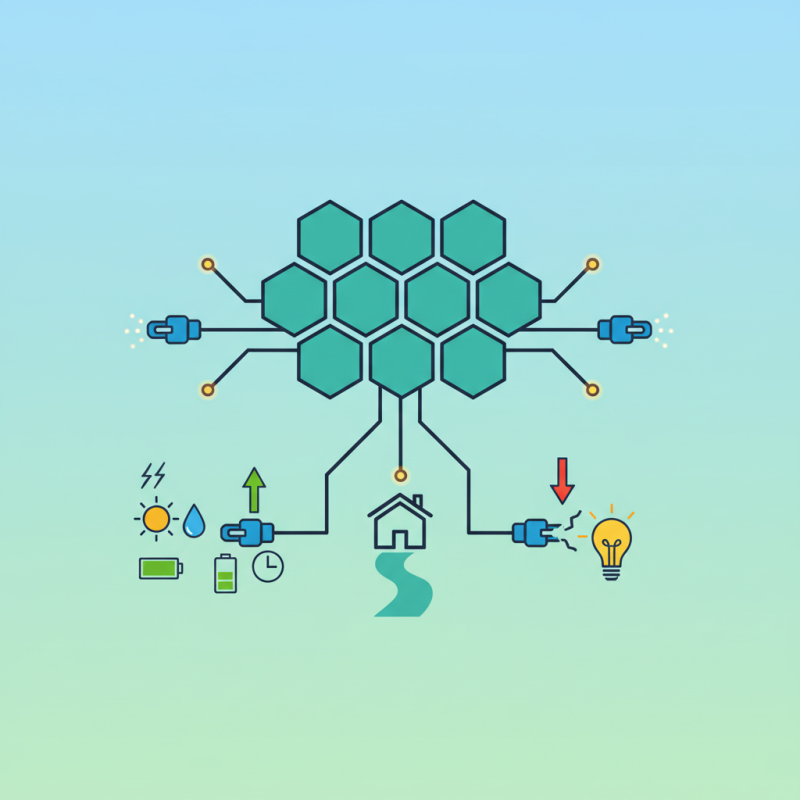
Photovoltaic connectors play a crucial role in the efficiency of solar power systems. These connectors ensure safe and reliable electrical connections between solar panels and inverters. The International Renewable Energy Agency (IRENA) reports that proper connections can reduce energy losses by up to 10%. This statistic underlines how vital these components are.
In practice, the quality of connectors can affect system performance significantly. Poorly designed connectors can lead to overheating and failures. The U.S. Department of Energy found that 20% of solar system failures stem from electrical connection issues. Regular monitoring and maintenance of connectors are necessary. However, many users overlook this aspect. A lack of awareness can lead to significant energy loss and increased costs over time.
Proper installation of photovoltaic connectors also impacts the lifespan of solar systems. A well-connected system can function efficiently for over 25 years. Yet, a common misperception is that installation is a one-time task. Environmental factors can degrade connectors, making periodic checks essential. This complexity indicates the need for more education around photovoltaic connector management in the industry. Making small improvements now can enhance system reliability and performance down the road.
Understanding the Types of Photovoltaic Connectors Available
Photovoltaic connectors play a crucial role in solar power systems. They ensure the safe and efficient connection of solar panels to the rest of the system. Without them, the entire setup could face serious issues. There are various types of photovoltaic connectors, each designed for specific applications.
One common type is the MC4 connector. It is widely used due to its reliability and ease of use. These connectors are weatherproof and can handle high currents. Another type is the JST connector, known for its compact size. It is ideal for small-scale systems, like home installations. However, using a smaller connector may come with trade-offs. It may not support higher power requirements effectively.
In addition, there are specialized connectors for different environments. For example, connectors designed for marine conditions are waterproof and resistant to corrosion. Choosing the right type is essential. Improper selections can lead to system failures. These failures may not only compromise efficiency but could potentially damage components. Therefore, understanding the characteristics of each type is necessary for success in solar energy systems.
Why Are Photovoltaic Connectors Essential for Solar Power Systems?
| Connector Type | Description | Application | Pros | Cons |
| MC4 | Most widely used connectors for solar panels. | Solar PV modules | Weatherproof and easy to connect/disconnect. | Compatibility issues with non-MC4 connectors. |
| Tyco | Offers a range of connectors for different applications. | Commercial solar installations | Durable and reliable under heavy loads. | More expensive compared to standard connectors. |
| SolarLOK | Designed for high-performance applications. | High-efficiency solar modules | Excellent electrical conductivity. | May require specialized tools for installation. |
| Amphenol | Heavy-duty connectors for demanding environments. | Industrial solar projects | High degree of protection against environmental elements. | Bulky, may not be suitable for all systems. |
Key Features That Make Connectors Reliable and Efficient
Photovoltaic connectors play a vital role in solar power systems. They ensure the secure transmission of electricity from solar panels to inverters and other components. Reliable connectors minimize energy loss and enhance overall system efficiency. When looking for connectors, focus on durability and compatibility. These features significantly impact a solar system's longevity.
High-quality materials offer resistance to environmental factors. Connectors exposed to the elements require weatherproofing capabilities. UV resistance is also essential to prevent degradation over time. Additionally, ease of installation cannot be overlooked. Complicated connectors can lead to errors and wasted time during setup. A well-designed connector should provide a straightforward and secure connection.
Testing connectors under various conditions is crucial. This helps identify weaknesses that could arise in real-world scenarios. Some connectors may perform well during ideal conditions but fail in harsher environments. Such oversights can result in costly repairs. Paying attention to these details helps in making informed choices for solar power systems. It reflects a commitment to building more resilient and efficient renewable energy solutions.
Best Practices for Installing Photovoltaic Connectors
Photovoltaic connectors play a crucial role in solar power systems. Their reliability directly affects energy efficiency and safety. During installation, it’s important to follow best practices to avoid issues that could arise later. A report from the National Renewable Energy Laboratory (NREL) indicates that improper connections can lead to a 5% loss in energy yield annually.
When installing photovoltaic connectors, cleanliness is vital. Dust or debris can hinder proper connections. Ensure that connector surfaces are free from contamination. Additionally, use the right tools. A poorly crimped connector can cause overheating. NREL data shows that thermal issues are a leading cause of connector failure, raising maintenance costs by up to 20%.
It’s also crucial to consider environmental factors. Connectors should be rated for the specific conditions of the installation site. For example, extreme temperatures or humidity can degrade materials. Regular inspections are necessary, but they often get overlooked, leading to costly repairs. Finally, proper training for installers is essential. Inadequate training can result in mistakes that compromise entire systems.
Maintenance and Troubleshooting of Photovoltaic Connectors
Photovoltaic connectors play a key role in solar power systems. These small but vital components ensure a stable electrical connection between solar panels and inverters. Poor connections can lead to energy losses. Regular maintenance is crucial to prevent such issues.
When inspecting connectors, look for signs of wear or corrosion. Visual checks are important but can miss hidden problems. Sometimes, a multimeter is necessary to test connections more thoroughly. Repeated exposure to weather can degrade connectors over time. If neglected, this damage can result in system malfunctions. A little effort on maintenance can go a long way.
In troubleshooting, understanding common connector issues is essential. Discoloration or cracks can indicate a deeper problem. However, replacing them isn't always straightforward. It requires care to choose the right type. Improper installation can cause future failures. Always verify compatibility before proceeding. Keep in mind, prevention is key in maintaining efficiency. Regular checks can save time and costs in the long run.
Importance of Photovoltaic Connectors in Solar Power Systems