What is a Pickleball Sports Court and How to Build One?
The pickleball sports court is gaining popularity across the globe. This sport combines elements of tennis, badminton, and ping-pong. The 2022 Sports & Fitness Industry Association (SFIA) report indicated a 21.3% increase in pickleball participation in the U.S. alone. This trend underscores the growing demand for dedicated pickleball sports courts.
Industry expert Dr. Mark Wright, a sports facilities consultant, emphasizes, “Creating a proper pickleball sports court can elevate the gameplay experience.” Building such a court involves careful planning regarding dimensions and surface material. Many enthusiasts are not aware of the nuances in design and construction, leading to potential pitfalls.
Engaging with professionals can ensure the court meets all technical specifications. However, some DIY projects may overlook essential elements, resulting in subpar conditions. Building a pickleball sports court involves thoughtful consideration of placement, lighting, and accessibility. These factors contribute significantly to the overall experience for players.
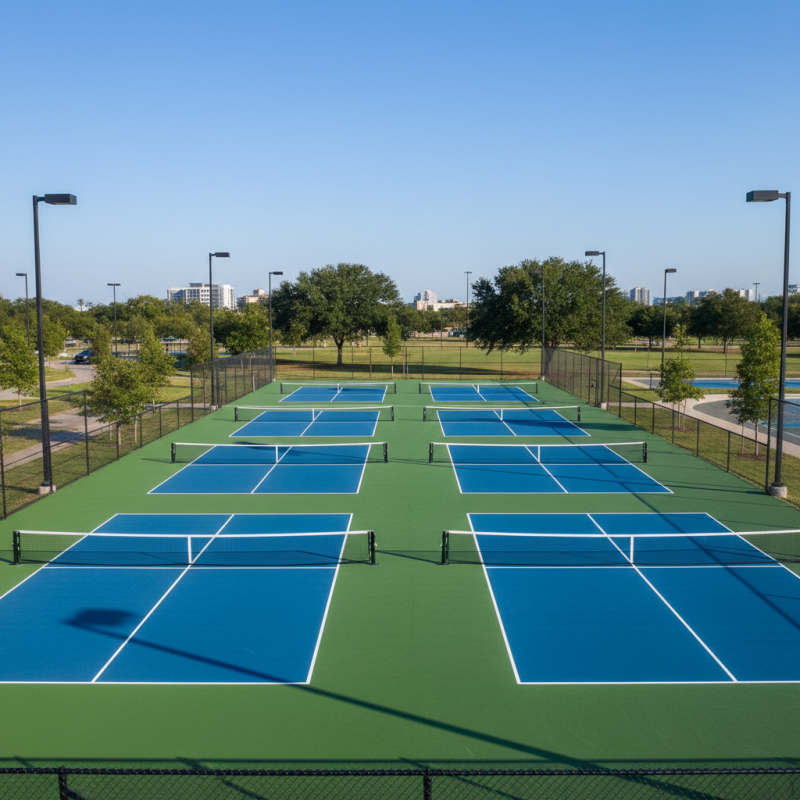
Understanding the Basics of a Pickleball Sports Court
Pickleball is gaining popularity across various age groups. A dedicated sports court enhances the playing experience significantly. Understanding the fundamentals of a pickleball court can lead to better design and function.
A standard pickleball court measures 20 by 44 feet. This size is suitable for both singles and doubles play. According to the USA Pickleball Association, the court layout is essential for effective play. Each court requires a 10-foot clearance around its perimeter for safety. The surface is typically made of concrete or asphalt. A smooth surface ensures optimal ball bounce and player mobility.
Creating a pickleball court involves proper planning. Begin by choosing a flat area with minimal slope. Mark the dimensions accurately to ensure compliance with official standards. Consider the surrounding environment, as adequate drainage prevents waterlogging. Professional reports suggest that well-constructed courts can last years with minimal maintenance.
Incorporating elements like lighting can enhance nighttime play, but it requires thoughtful planning. Illumination levels should not interfere with players’ visibility. Reflecting on these factors can lead to a successful and enjoyable court. It's essential to involve experts if you aim for quality and longevity. The decisions you make now will impact countless games in the future.
Essential Dimensions and Layout of a Pickleball Court
Building a pickleball sports court requires careful attention to dimensions and layout. The standard court measures 20 feet wide and 44 feet long for doubles play. For singles, the court remains the same length but narrows to 17 feet. These dimensions are critical for both recreational and competitive play, as they ensure adequate space for movement.
The net stands at 36 inches high at the sidelines and drops to 34 inches in the middle. This height is essential for creating the correct play experience. The area around the court should allow for a minimum of 3 to 5 feet of unobstructed space, which enhances player safety and comfort. According to the USA Pickleball Association, a proper layout also includes an area for spectators, which can enhance the experience for all involved.
Despite these guidelines, challenges can arise during construction. Soil condition and surface material selection can impact play quality. Asphalt and concrete are common choices, but they require proper sealing and maintenance. An uneven surface can lead to injuries or a poor playing experience. Balancing these elements is vital for a successful pickleball court.
Materials Needed for Constructing a Pickleball Court
Building a pickleball court requires careful selection of materials to ensure durability and performance. The most popular surface materials include asphalt, concrete, and specialized pickleball court tiles. According to the Sports & Fitness Industry Association, pickleball participation has surged, making the quality of the court paramount.
For a basic construction, you will need a leveled area of at least 20 by 44 feet. This is crucial for a standard court size, complying with the USA Pickleball Association's regulations. The sub-base should include crushed stone or gravel for proper drainage. This prevents water pooling, which can damage the surface over time.
The flooring can be made of textured acrylic coatings or polymeric tiles, providing the right grip. These materials are often recommended due to their ability to withstand different weather conditions. Installation will necessitate additional items like paint, net posts, and a net. One must also reflect on local climate conditions when choosing materials. They can significantly affect the playability and longevity of the court. Ensuring proper installation and maintenance will lead to a better playing experience in the long run.
Materials Needed for Constructing a Pickleball Court
| Material | Description | Quantity (estimated) | Cost (approx.) |
| Court Surface Material | Acrylic or textured asphalt suitable for pickleball | 2,880 sq ft | $2,000 |
| Net System | Includes poles and a pickleball net | 1 set | $150 |
| Court Lines | Exterior paint for lines marking | 1 gallon | $30 |
| Fencing | Chain link fencing for perimeter | 150 ft | $1,500 |
| Lighting | LED flood lights for evening play | 4 lights | $800 |
Step-by-Step Guide to Building Your Own Pickleball Court
Building a pickleball court can be an exciting project. It requires careful planning and execution, but the rewards are worthwhile. Start by selecting a suitable location. The area should be flat and spacious, preferably around 20 by 44 feet. Ensure the ground is firm. Remove any debris, grass, or uneven spots.
Next, outline the court dimensions. Use stakes and string to mark the lines. A standard pickleball court has specific measurements. It’s essential to get these right. Consider using chalk to draw temporary lines before finalizing them.
Once the area is marked, dig out the lines for the foundation. A proper surface is key. Many choose concrete, but asphalt or specialized sports tiles can also work. After laying the surface, paint the lines using high-quality outdoor paint. This step requires patience. Be careful, as any mistakes can affect gameplay.
Installing a proper net system is also crucial. The net should be 36 inches tall at the edges and 34 inches in the middle. With these actions, you'll have a functional and enjoyable pickleball court. Every detail matters, from the surface type to the net height. Always measure twice to avoid errors.
Maintenance Tips for Keeping Your Pickleball Court in Top Shape
Maintaining a pickleball court is crucial for optimal performance and longevity. Regular cleaning prevents debris from accumulating, which can affect playability. Sweep the court weekly to remove leaves, dirt, and dust. Use a mild detergent mixed with water for deeper cleaning every few months.
Check the surface for cracks or wear. Small damages can worsen if ignored. Fill in cracks promptly with suitable filler for a smooth playing surface. This attention to detail helps maintain the court's integrity and safety. Additionally, consider checking the net and lines regularly. Uneven nets can disrupt gameplay, while faded lines make it hard to judge boundaries.
Watering the court is essential, especially in dry conditions. This keeps the surface hydrated and reduces the risk of cracking. During winter, if temperatures drop, protect the court by covering it or clearing snow immediately. These simple practices ensure your court remains in top shape for years to come. However, be mindful of wear signs and adjust your maintenance routine accordingly.