What is Piston Ring Sealer and How Does it Work?
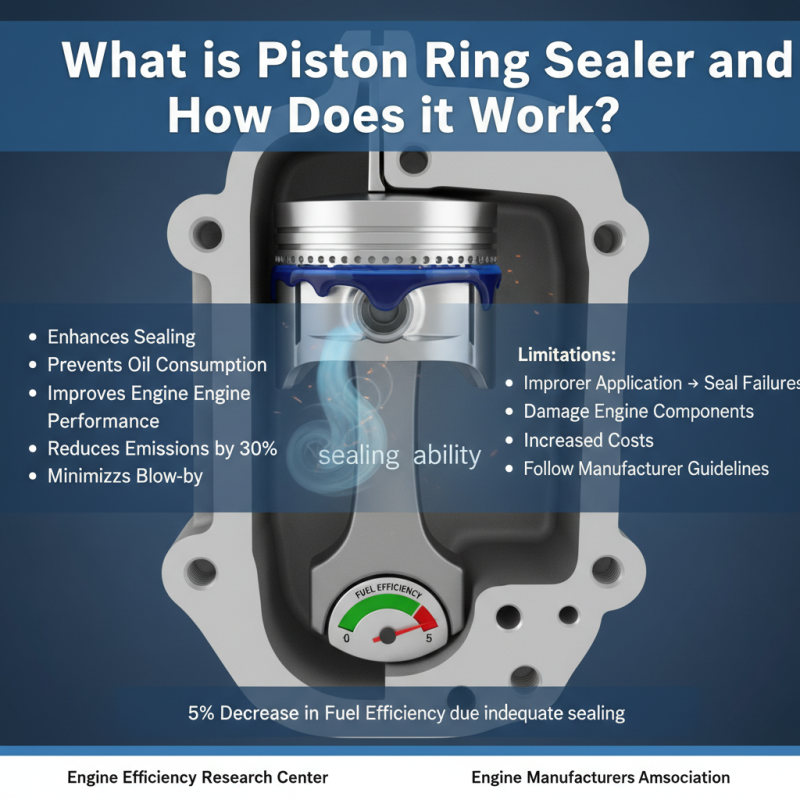
Piston Ring Sealer is a crucial component in engine maintenance. It is designed to enhance the sealing ability of piston rings. This helps to prevent oil consumption and improve overall engine performance. A study by the Engine Efficiency Research Center revealed that inadequate sealing can lead to a 5% decrease in fuel efficiency. This statistic highlights the importance of effective sealing methods.
Understanding how Piston Ring Sealer works is essential for car enthusiasts and professionals alike. It creates a barrier that minimizes blow-by. Blow-by refers to the combustion gases escaping past the piston rings. This escape leads to a loss of power and increased emissions. According to the Engine Manufacturers Association, effective sealing can reduce emissions by up to 30%.
Despite its advantages, Piston Ring Sealer is not without limitations. Improper application can lead to seal failures. This could damage engine components and increase maintenance costs. Therefore, it is vital to follow manufacturer guidelines for optimal results. Recognizing these factors can ensure better engine longevity and performance.
What is Piston Ring Sealer?
Piston ring sealer is a specialized material designed to enhance the performance of engine piston rings. It fills gaps between the piston rings and cylinder walls. This sealing ensures that the combustion gases remain contained within the combustion chamber. By doing so, it improves engine efficiency and reduces oil consumption.
Using a piston ring sealer can lead to noticeable engine improvements. Many users report enhanced throttle response and reduced emissions. However, not all engines require this product. Some may experience difficulties in application, particularly if the surface is not properly prepped. It’s important to follow instructions carefully to avoid issues.
While piston ring sealers can be beneficial, they are not a one-size-fits-all solution. Every engine is different, and results can vary. Regular maintenance remains crucial. Understanding your engine's specific needs is essential before deciding to apply any sealer. Engaging with knowledgeable mechanics can provide deeper insights.
Types of Piston Ring Sealers Available in the Market
Piston ring sealers are essential tools for enhancing engine performance. Various types are available, each with specific features. Generally, sealers can be categorized into two main types: liquid and solid. Liquid sealers provide a flexible, easy-to-apply solution that fills gaps effectively. Solid sealers, however, offer durability and resistance under high stress.
Market research reveals a growing demand for piston ring sealers. According to a recent industry report, the global piston ring sealer market is projected to reach $3 billion by 2025, with a CAGR of 5%. This growth reflects increasing automotive production and the need for enhanced engine efficiency. Consumers often seek products that promise both performance enhancement and longevity.
While many sealers claim to improve compression, not all deliver on this promise. Some liquid sealers can break down under extreme temperatures. The effectiveness of solid sealers may depend on the engine's design. Understanding these limitations is crucial for consumers. Proper application and selection tailored to specific engines can maximize their potential.
How Does Piston Ring Sealer Function in an Engine?
Piston ring sealer plays a crucial role in engine performance. It is a compound used to enhance the sealing properties of piston rings. By filling small gaps, it helps prevent oil from leaking into the combustion chamber. This minimizes the risk of oil burning, which can lead to engine inefficiency.
When applied, the sealer adheres to the surface of the piston rings. It forms a protective layer that improves the ring's contact with the cylinder wall. This enhancement boosts compression, which can result in better fuel efficiency. Owners often report smoother engine operation after using a piston ring sealer. However, it is essential to apply it correctly for the best results.
Improper application can lead to mixed outcomes. Some users have experienced improvement, while others noticed no change. It’s important to understand that a piston ring sealer is not a cure-all. Regular maintenance remains key to engine health. Testing different application methods can help in finding optimal results.
Benefits of Using Piston Ring Sealer in Engine Maintenance
Piston ring sealers play a crucial role in engine maintenance. They help to form a tight seal between the piston rings and the cylinder wall. This results in reduced oil consumption and lower emissions. Reports show that using a piston ring sealer can improve engine compression by as much as 30%. It helps engines run more efficiently, which is vital for both performance and longevity.
In addition, these sealers can reduce wear on the piston rings. A study conducted by the Society of Automotive Engineers highlighted that engines with optimal sealing demonstrate significantly less friction. This reduction in friction can lead to better fuel efficiency. Many mechanics recommend sealers as a cost-effective solution during engine repairs. However, they caution that sealers should not replace regular engine maintenance.
While piston ring sealers provide numerous benefits, they are not a magic fix. Relying solely on them may mask underlying issues. Frequent use can sometimes indicate that the engine has deeper problems, like wear or damage. It is essential to evaluate the engine’s overall health regularly. The right balance between using sealers and maintaining the engine is vital for long-term performance.
Piston Ring Sealer Benefits Over Time
This chart illustrates the percentage increase in engine efficiency over different time periods when using piston ring sealer. Regular maintenance with a piston ring sealer can lead to significant improvements in engine performance.
Step-by-Step Application of Piston Ring Sealer in Engines
Applying piston ring sealer in engines can be a straightforward process when broken down into clear steps. Begin by ensuring the engine is cool and clean. Remove any old seals and debris from the piston area. This preparation is crucial for a proper bond, so take your time here. A clean surface enhances the effectiveness of the sealer.
Next, shake the piston ring sealer well. Apply a thin, even layer to the ring grooves and piston skirts. Use a small brush or applicator for precision. Take care to avoid excessive application; too much sealer can cause complications. A well-done coating will promote a better seal without blocking oil flow. Allow the sealer to cure as per manufacturer instructions. This step often requires patience, but it is vital for long-lasting results.
Upon reassembly, monitor the engine for signs of performance improvement or leaks. It's not uncommon to need adjustments after your initial application. If issues arise, consider re-evaluating your technique. Understanding the behavior of the sealant and engine can improve future applications, leading to more reliable engine performance. Remember, engine sealing is both an art and a science, and experience plays a key role in perfecting it.
What is Piston Ring Sealer and How Does it Work? - Step-by-Step Application of Piston Ring Sealer in Engines
| Step | Description | Time Required | Tools Needed |
| 1 | Clean the cylinder bores to remove oil and dirt. | 30 minutes | Cleaning solution, cloth |
| 2 | Apply the piston ring sealer evenly on the piston rings. | 15 minutes | Piston ring sealer, applicator |
| 3 | Install the piston rings back onto the piston. | 20 minutes | Ring compressor, lubricant |
| 4 | Reinstall the piston into the engine block. | 30 minutes | Wrench set, torque wrench |
| 5 | Perform a final inspection to ensure everything is properly seated. | 10 minutes | Inspection tools |