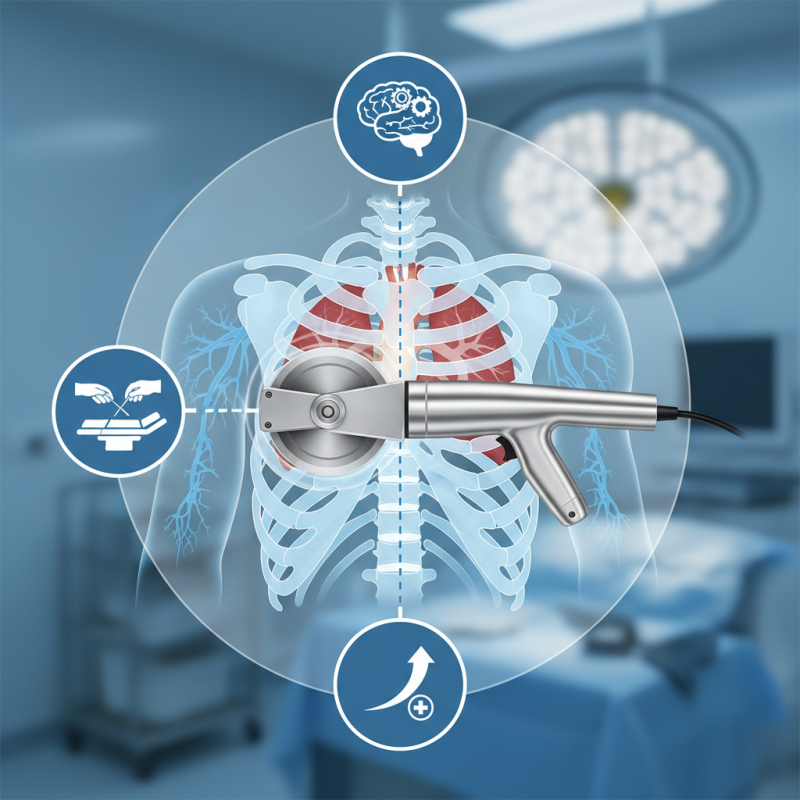
What is a Sternum Saw and How is it Used?
A Sternum Saw is a specialized surgical instrument used primarily in thoracic surgeries. This tool is designed to cut through the sternum, allowing surgeons access to the heart and lungs. The design of a Sternum Saw features a robust blade, often oscillating, ensuring precision during delicate operations.
In the operating room, the use of a Sternum Saw demands skill and focus. Surgeons must ensure the saw is used correctly to avoid damaging surrounding tissues. It's not just an ordinary saw; it’s a critical tool that requires respect and expertise.
Despite advancements in medical tools, the Sternum Saw remains vital in certain operations. Its application might seem straightforward, yet every procedure poses risks. Surgeons reflect on their techniques and outcomes, striving for improvement each time. The complexity of human anatomy always presents challenges.
What is a Sternum Saw?
A sternum saw is a specialized surgical tool used primarily in open-heart surgeries. It allows surgeons to access the chest cavity by cutting through the sternum, or breastbone. This saw is designed to make precise and controlled incisions. Typically, it operates with both reciprocating and oscillating motions, enabling effective bone cutting without damaging surrounding tissues.
According to a report from the American College of Cardiology, the sternum saw has been essential in approximately 300,000 open-heart surgeries performed annually in the United States. The high demand for this tool underscores its importance in modern medicine. The design of the saw may vary, but safety and efficiency remain common goals. Variants of the saw exist, and surgeon preferences can influence their use.
Tip: Always ensure that the saw is properly maintained. Regular checks prevent malfunctions during surgery.
Surgeons must be aware of the risks involved with sternum saw usage. Incomplete cuts can lead to complications during procedures. Proper technique is vital to avoid unnecessary trauma to surrounding organs. Surgical training programs emphasize practice on models to refine skills. This underlines the importance of continuous improvement in surgical practices.
History and Development of the Sternum Saw
The sternum saw has a fascinating history. Initially developed in the early 20th century, this tool was designed to assist in thoracic surgeries. Before its invention, surgeons relied on manual methods. These techniques were often time-consuming and error-prone. The sternum saw revolutionized access to the chest cavity, improving surgical outcomes significantly.
In the mid-20th century, advancements in materials and engineering transformed the sternum saw design. The introduction of power-assisted versions made procedures quicker and safer. According to a 2021 report by the Journal of Surgical Research, the use of powered sternum saws has decreased operation times by nearly 40%. However, some studies indicate that the transition wasn’t seamless. Surgeons had to adjust to new techniques, which affected initial performance. Adopting these tools required rigorous training and adaptation, leading to varying proficiency levels among practitioners.
Research has shown mixed results regarding the impact of sternum saws on patient recovery. A recent survey revealed that while most surgeons appreciate the efficiency, a few noted complications. These include potential for injury to surrounding tissues. Each surgical tool presents risks. Acknowledging these challenges is crucial for continuous improvement in surgical practices.
Types of Sternum Saws and Their Features
Sternum saws are specialized tools used primarily in thoracic surgeries. They help surgeons access the chest cavity by cutting through the sternum, or breastbone. Several types of sternum saws exist, each designed for specific surgical needs.
One common type is the oscillating saw. This tool features a blade that moves back and forth. Surgeons prefer it for precise cuts with minimal damage to surrounding tissue. Another type is the reciprocating saw. Its blade moves in a linear fashion, allowing for deeper cuts. However, it sometimes increases the risk of trauma to nearby structures.
When using a sternum saw, it’s crucial to maintain a steady hand. Slow, controlled movements result in cleaner cuts. Surgeons should also consider their patient's unique anatomy before choosing a type of saw.
Tips: Always keep the saw well-maintained. A dull blade can lead to complications. It’s essential to practice on models before surgery. Familiarity with the tool builds confidence. Learning the nuances of different saws can enhance performance in the operating room.
What is a Sternum Saw and How is it Used? - Types of Sternum Saws and Their Features | Type of Sternum Saw | Description | Features | Common Uses |
| Manual Sternum Saw | A traditional saw operated by hand, designed for performing sternotomies. | Lightweight, easy to control, requires minimal maintenance. | Used in cardiac surgery for accessing the chest cavity. |
| Electric Sternum Saw | A powered saw that allows for quicker and more precise cuts. | Adjustable speed settings, reduced fatigue, increased precision. | Commonly used in complex cardiac and thoracic surgeries. |
| Oscillating Sternum Saw | A specialized saw that oscillates rapidly to cut through bone. | Minimizes trauma to surrounding tissues, precise cutting action. | Used in minimally invasive surgical procedures. |
| Battery-operated Sternum Saw | A cordless saw providing mobility and ease of use during surgeries. | Portable, eliminates cord management issues, efficient battery life. | Ideal for emergency surgeries where quick access is needed. |
Step-by-Step Guide to Using a Sternum Saw
Using a sternum saw requires precision and care. This tool is designed primarily for surgeries involving the chest area. It makes easier the task of accessing the heart and lungs. When preparing for use, ensure the surgical area is sterile. Proper setup can mean the difference between success and complications.
Begin by marking the incision line on the sternum. This helps guide your cuts accurately. The saw should be handled at a steady angle. Avoid rushing; it might lead to mistakes. Once the saw meets the bone, apply gentle pressure. Focus on the vibrations and how the saw responds. Listen for any changes in sound, as this can indicate resistance.
After making the cut, retract the sternum carefully. Check for any unintended damage to surrounding tissues. This step is crucial. Surgeons should always reflect on their technique after the procedure. Mistakes can provide invaluable lessons for future surgeries. Each experience builds a deeper understanding of the sternum saw's intricacies.
Safety Considerations When Using a Sternum Saw
When using a sternum saw, safety is crucial. This tool is designed for precision, but it can also pose risks. Surgeons must wear protective gear, including gloves and face shields. Even minor slips can lead to serious injuries. Careful handling is essential throughout the entire procedure.
Before surgery, the area around the sternum should be properly prepared. Sterilization minimizes infection risks. Ensure that the saw is in good condition. Regular maintenance helps prevent equipment failure. Surgeons often practice on models to build confidence and skill.
Despite training, mistakes can occur. Surgeons need to stay alert and focused. Distractions can lead to oversights. After the procedure, review what went well and what didn’t. Learning from experiences is vital for improvement. This ongoing reflection can enhance future safety and efficacy in using a sternum saw.