Top Tips for Sourcing Mild Steel Pipe Effectively?
Sourcing Mild Steel Pipe effectively is crucial for many industries. Understanding the right materials can save time and costs. Mild Steel Pipes are commonly used due to their versatility and strength. They serve various applications, from construction to manufacturing.
Finding reliable suppliers can be challenging. Many vendors offer similar products, making it hard to choose the best option. It's essential to evaluate quality, price, and delivery timelines. Assessing supplier credentials can provide valuable insights. Reliable suppliers often have established reputations and positive customer feedback. However, not all pipes meet industry standards, so diligence is key.
Price can be deceiving. A lower cost may indicate inferior quality. It’s important to balance affordability with reliability. Your choice in Mild Steel Pipe should reflect a combination of quality and budget. Relying solely on price may lead to future complications. Therefore, thorough research is necessary before making any decisions.
Understanding Mild Steel Pipe Specifications and Grades
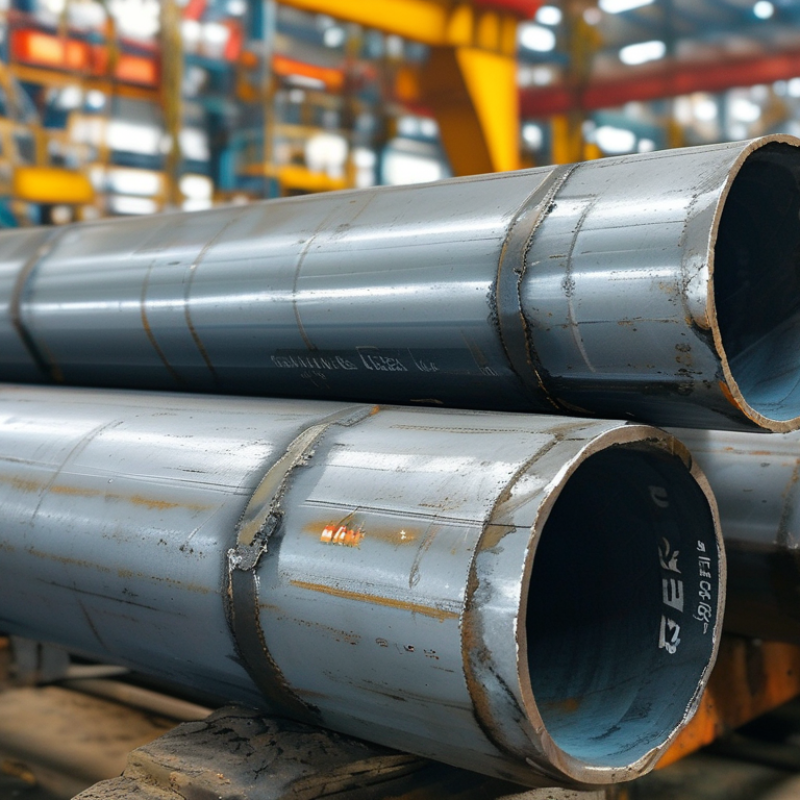
When sourcing mild steel pipe, understanding its specifications and grades is crucial. Mild steel, primarily composed of iron and carbon, offers various properties. Common grades include A36, S235, and S275. Each grade has unique tensile strength and yield strength characteristics that influence its application. For instance, A36 steel yields around 36,000 psi, making it suitable for structural projects.
In recent data reports, mild steel pipes have shown a significant increase in demand. Industry projections indicate a 5% annual growth rate in the construction sector, driving the need for these pipes. Buyers should focus on certifications and testing standards, such as ASTM or ISO, to ensure quality. However, quality assurance can be challenging, as numerous manufacturers may not adhere to these specifications consistently.
It's essential to consider the sourcing process critically. Not all suppliers maintain the same quality control. Many factors impact supply chains, including geopolitical issues and raw material pricing. Buyers must remain vigilant about verifying supplier credentials and reviewing feedback from previous clients. Lack of diligence could lead to sourcing inferior products. As the industry evolves, staying informed about standards and market trends is imperative for making effective procurement decisions.
Top Tips for Sourcing Mild Steel Pipe Effectively
| Specification | Grade | Typical Yield Strength (MPa) | Typical Tensile Strength (MPa) | Applications |
| ASTM A53 | Grade A | 205 | 330 | Structural piping, oil and gas |
| ASTM A106 | Grade B | 240 | 400 | High-temperature applications |
| BS 1387 | Class A | 235 | 360 | Water and gas distribution |
| EN 10255 | R290 | 250 | 440 | General structural purposes |
| ISO 3183 | L245 | 245 | 390 | Transmission pipelines |
Identifying Reliable Suppliers for Mild Steel Pipe Sourcing
When sourcing mild steel pipes, identifying reliable suppliers is crucial. A dependable supplier should have a solid reputation in the industry. Look for suppliers with established track records. Read reviews and testimonials to gauge past clients' experiences. This feedback can provide insights into the supplier's reliability and service quality.
Participate in industry forums and trade shows. These platforms can help you connect with experienced professionals. Engaging in discussions allows you to gather valuable information about potential suppliers. Networking can lead to referrals, increasing your chances of finding trusted sources for mild steel pipes.
Assess the supplier's certifications. Be wary of companies lacking necessary quality certifications. This often indicates a lack of commitment to quality standards. Also, directly communicate with suppliers about their manufacturing processes. Their willingness to share this information can enhance your understanding of their reliability. Effective communication is key to building a trustworthy relationship.
Top Tips for Sourcing Mild Steel Pipe Effectively
This chart displays the estimated average costs of sourcing mild steel pipes based on different supplier reliability ratings. Understanding these costs helps in identifying reliable suppliers.
Evaluating Cost Factors in Mild Steel Pipe Procurement
When evaluating cost factors in mild steel pipe procurement, understanding the market dynamics is essential. Reports from industry analysts indicate that prices can fluctuate significantly based on supply and demand. Recent data shows that global demand for mild steel pipes increased by approximately 5% in the last year. This rise has led to higher price points, making it crucial for buyers to forecast their needs accurately.
Approach pricing with a comprehensive understanding. Look into suppliers' pricing trends and historical data. Low-cost options may appear appealing, but quality should not be sacrificed. Inferior materials can result in unforeseen costs, such as repairs or replacements. Engaging with multiple suppliers provides leverage for negotiation. Examine each quote meticulously, spotting hidden fees or varying terms that could impact the final price.
Consider the geographical source of the pipes as logistics play a pivotal role. Transport costs can add to overall procurement expenses. A well-planned sourcing strategy can mitigate these costs. Examine local suppliers to cut down on shipping fees. Additionally, consider bulk purchasing as it often leads to discounts. This practice can positively affect your procurement budget in the long run.
Ensuring Quality Control During the Sourcing Process
When sourcing mild steel pipe, quality control is essential. It ensures that the materials meet industry standards. Begin by identifying reliable suppliers with proven track records. Research their certifications and quality assurance processes. This helps to build trust.
Regular inspections should be part of your sourcing strategy. Examine the pipes for any visible defects. Look for inconsistencies in dimensions and weight. Such quality checks can prevent future problems in your projects. However, many overlook these steps, resulting in costly mistakes.
Establish clear communication with your suppliers. Discuss quality expectations upfront. Consistent follow-ups are also necessary. This practice not only guarantees standards but also helps build a solid relationship. Reflecting on past sourcing experiences can reveal potential pitfalls. Adjusting your strategies based on these lessons is crucial for improvement.
Utilizing Technology and Tools for Efficient Pipe Sourcing
In today’s fast-paced market, leveraging technology for sourcing mild steel pipe is a game changer. Digital platforms streamline the process, allowing businesses to access a network of suppliers quickly. Using online databases can save time and reduce costs. However, sifting through numerous options can be overwhelming. It’s crucial to filter suppliers based on criteria like quality, reliability, and delivery times.
Effective sourcing also relies on advanced tools. Software that tracks inventory levels can provide valuable insights. Imagine optimizing your stock levels based on real-time data. This approach minimizes waste and ensures you only purchase what you need. Yet, dependency on technology can pose risks. A glitch in the system might lead to miscalculations, which could delay project timelines.
Communication tools facilitate better interactions with suppliers. Video calls and messaging apps can clarify details efficiently. But misunderstandings can still occur. Always confirm specifications in writing to avoid costly mistakes. Overall, integrating technology into your sourcing strategy enhances efficiency, yet success lies in balancing automation with human oversight.