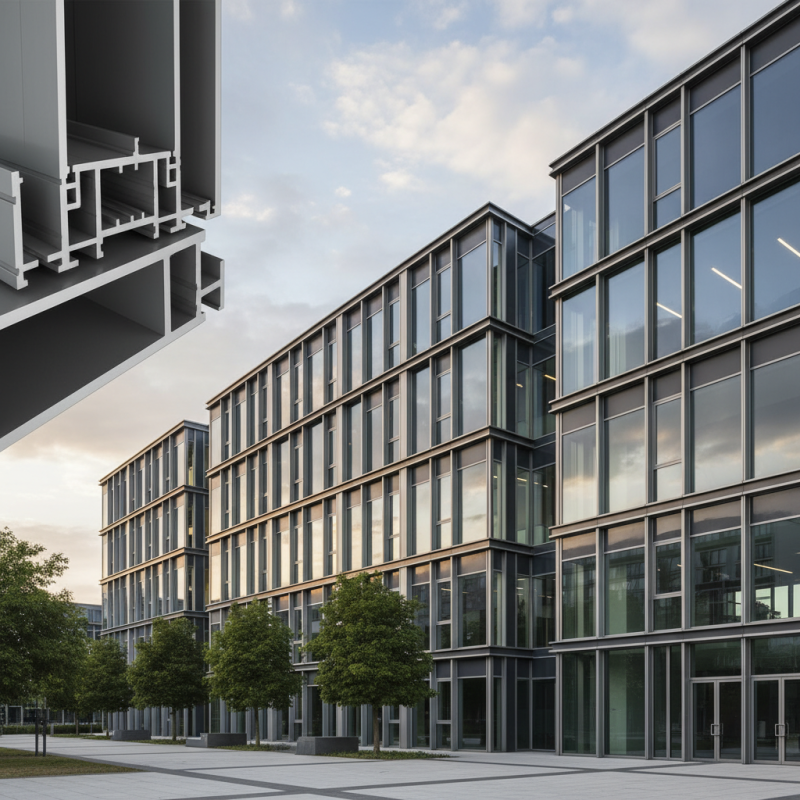
Top Aluminum Profiles For Windows You Need to Know?
Aluminum Profiles For Windows are a crucial element in modern architecture and design. They offer strength, durability, and aesthetic appeal. Understanding the top profiles can enhance both functionality and appearance in your projects.
Choosing the right aluminum profile requires careful consideration. Different profiles serve various purposes, from structural support to thermal efficiency. Each profile has unique features that may suit specific needs. For example, some profiles are designed for better insulation, while others prioritize sleek design.
With numerous options available, navigating this landscape can be challenging. Not every choice will fit your project perfectly. Reflecting on your objectives and requirements is essential before making a decision. Ultimately, informed choices lead to better outcomes in window installations.
Understanding Aluminum Profiles: An Introduction
Aluminum profiles are vital components in window design. They offer a blend of strength and lightweight properties. Understanding their characteristics helps in choosing the right profiles for your needs. Different types of aluminum profiles serve various purposes. Some are better for thermal insulation, while others excel in structural support.
One crucial aspect to consider is the profile's finish. Anodized finishes add durability and resistance to corrosion. Furthermore, the choice of color can enhance aesthetic appeal. Sometimes, however, the appearance might not align with practical requirements. This dilemma can lead to regrets down the line.
When selecting profiles, awareness of the weight is essential. Heavier profiles can be more robust but may pose installation challenges. It's not uncommon for homeowners to overlook these factors. This oversight can affect long-term performance. Engaging with professionals who understand these nuances can offer invaluable insights into the right selections.
Top Aluminum Profiles for Windows
This chart illustrates the popularity of various aluminum profiles used in window manufacturing, showcasing the common types and their respective usage rates in the industry.
Common Types of Aluminum Profiles Used in Windows
When considering aluminum profiles for windows, it's essential to understand the common types used in construction. Aluminum profiles provide durability, energy efficiency, and aesthetic appeal. One popular type is the thermal break profile. This design features a core that helps minimize heat transfer, improving energy efficiency significantly.
Another common type is the square tube profile. Its strength and versatility make it a favorite for various window designs. The U-channel profile is also worth mentioning. It provides a secure frame for glazing, ensuring stability and resistance to elements. Each profile has its unique characteristics suited to different architectural needs.
Tips: When choosing aluminum profiles, consider the climate in your area. A thermal break profile is more effective in extreme temperatures. Always assess the quality and finish of the aluminum. Poorly treated surfaces can lead to corrosion over time. It’s crucial to reflect on the long-term maintenance needs of the chosen profile. The right choice will enhance not just aesthetics but also longevity.
Key Features of Quality Aluminum Window Profiles
When choosing aluminum profiles for windows, several key features determine quality. Strong durability stands out. Aluminum resists corrosion and can withstand various weather conditions. This longevity protects your investment.
Thermal insulation is crucial, too. Quality profiles come with insulation technology. This feature enhances energy efficiency. It can lead to lower heating and cooling costs. Look for profiles with thermal breaks, which minimize heat transfer.
Tip: Always check for certifications. This ensures the profile's performance meets industry standards.
Aesthetic appeal is another important aspect. Aluminum profiles are available in various finishes and colors. This versatility allows customization for different architectural styles. However, be cautious—some finishes may fade or scratch over time.
Tip: Regular maintenance is essential to preserve the appearance and longevity of aluminum windows. Simple cleaning can prevent buildup that affects functionality.
Benefits of Using Aluminum Profiles for Windows
Aluminum profiles for windows offer numerous advantages that enhance both functionality and aesthetic appeal. With a density approximately one-third that of steel, aluminum is lightweight yet strong. According to the Aluminum Association, the material can resist corrosion, increasing longevity and reducing maintenance costs. In fact, properly coated aluminum can last over 30 years, saving homeowners significant expenses over time.
Energy efficiency is another key benefit. A report by the Department of Energy highlights that aluminum windows can achieve thermal performance equivalent to traditional materials when thermal breaks are incorporated. This can lead to energy savings of up to 25%. Additionally, the versatility of aluminum allows for various designs. Custom shapes and sizes are easy to achieve, which can open up possibilities for modern architecture.
Despite these benefits, there are areas for improvement in aluminum window profiles. Some applications may require thicker profiles, impacting the overall weight and strength. Long-term exposure to extreme weather can lead to slight deformation. Therefore, careful consideration of design and engineering is essential for optimal performance.
Installation and Maintenance Tips for Aluminum Window Profiles
When installing aluminum window profiles, precision is key. Measure the dimensions of your window frames carefully. A mistake in measurement can lead to gaps or misalignment. Use quality tools for cutting and assembling the profiles. This step ensures durability and a snug fit.
Maintenance is equally important. Regular cleaning of aluminum windows prevents dirt buildup. Use mild soap and water to wipe down frames. An occasional inspection for wear and tear can save time and money later. Check seals and hardware for any signs of damage. This vigilance helps maintain energy efficiency and security.
Sometimes installations do not go as planned. Misalignment can occur due to improper leveling or measurement errors. It's crucial to address these issues immediately. Ignoring them can lead to costly repairs down the line. Reflection on the installation process can help improve future projects. Learning from these experiences contributes to professional growth in window installation.
Top Aluminum Profiles For Windows You Need to Know
| Profile Type | Typical Use | Advantages | Maintenance Tips |
| Sliding Window Profiles | Residential and Commercial Sliding Windows | Space-saving, Easy to operate, Modern aesthetics | Regularly clean tracks and lubricate moving parts |
| Casement Window Profiles | Homes, Offices, and Large Windows | Excellent ventilation, High energy efficiency | Check hinges and locks regularly, Clean glass and frames |
| Tilt and Turn Window Profiles | Large openings, High-rise buildings | Versatile operation, Enhanced security | Inspect seals for wear, Keep moving parts clean |
| Awning Window Profiles | Bathrooms, Kitchens, and High Walls | Rain protection, Maximum ventilation | Ensure proper drainage, Lubricate hinges periodically |