Top Branch Shredder for Efficient Tree Waste Management?
In today's world, efficient tree waste management is essential. The branch shredder industry plays a crucial role in this process. Expert James Turner, an arboriculture specialist, states, "A quality branch shredder can transform massive tree waste into valuable mulch." This highlights the significance of choosing the right machine.
The branch shredder can handle various tree sizes and types. This adaptability makes it a valuable tool for landscapers and gardening enthusiasts alike. However, not all shredders are created equal. Users often face challenges, such as inconsistent cutting or poor durability. These issues can lead to frustration and wasted resources.
By investing in a top-quality branch shredder, organizations can minimize waste in their operations. Selecting a device with reliable performance is essential for efficiency. Understanding the features needed for specific applications can be overwhelming. It’s important to reflect on one's needs when choosing the right equipment for tree waste management.
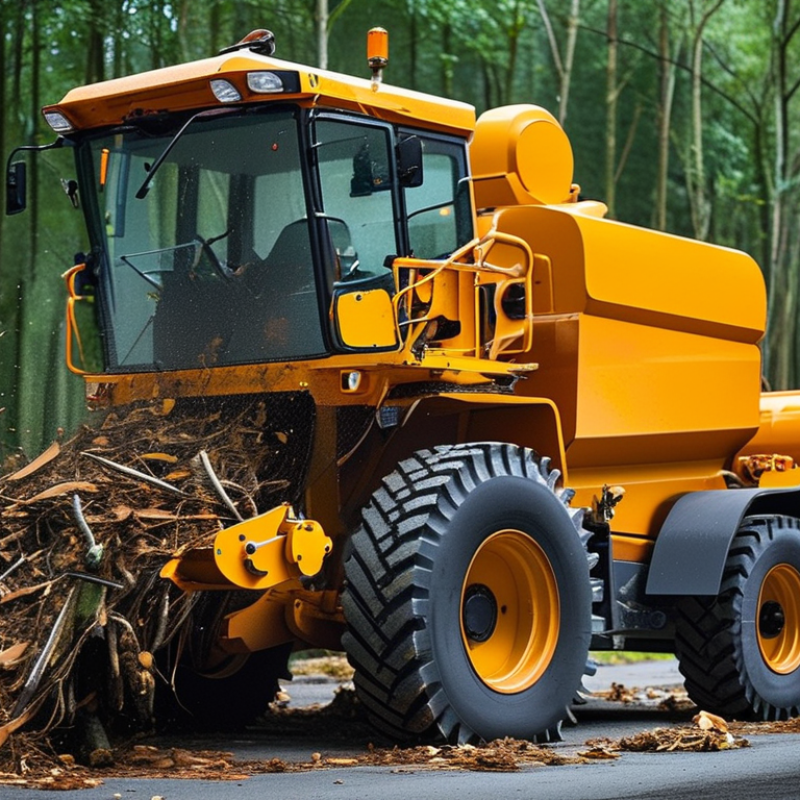
Top Features to Consider When Choosing a Branch Shredder
When selecting a branch shredder, several critical features can significantly enhance tree waste management efficiency. One key consideration is the shredder’s horsepower. Research indicates that shredders with at least 5-10 horsepower can process branches up to three inches in diameter effectively. Heavier-duty models can handle more robust materials. This capability is essential for outdoor landscaping professionals who deal with various waste sizes.
Another important feature is the shredding mechanism. Some models use rotary blades while others employ hammer mills. Studies show that hammer mills create finer mulch suitable for composting. This can enhance soil quality and promote sustainable gardening practices. Noise levels are also a consideration. A quieter operation enhances user comfort and compliance with community noise regulations. According to industry surveys, 60% of users prefer models that operate below 90 decibels.
User safety features cannot be ignored. Look for automatic shut-off mechanisms and protective guards. These features can prevent accidents and provide peace of mind during operation. Regular maintenance guidelines are also helpful to keep the machines running optimally. Some users find it challenging to follow maintenance schedules, leading to reduced efficiency over time. Proper knowledge of these aspects can result in better usage and ultimately a healthier environment.
Comparison of Electric vs. Gas-Powered Branch Shredders
In the realm of branch shredders, an electric model provides a quieter operation. It is ideal for residential use. According to the 2021 Power Tools Market Report, electric models account for 35% of sales, reflecting their growing popularity. Users favor them for smaller jobs, especially in urban areas. Their lightweight design makes them easy to handle and store.
Gas-powered shredders, however, excel in performance and efficiency for larger tasks. They offer powerful engines capable of tackling heavy-duty branches and debris. A report from the Outdoor Power Equipment Institute indicates that gas models are preferred in commercial landscaping, with 65% of professionals opting for them to manage significant waste effectively.
Tips: When choosing between these options, consider your specific needs. If you have a small garden, an electric shredder may be more suitable. For larger properties or commercial use, a gas-powered alternative is likely the best fit. Remember to think about noise levels and convenience as well. Regular maintenance of your shredder can improve its lifespan and performance.
Industry Insights: Market Trends in Tree Waste Management Equipment
The tree waste management industry is evolving rapidly. As environmental concerns rise, effective waste reduction is crucial. Companies are investing in advanced branch shredders. These machines help turn organic waste into mulch, supporting sustainability efforts. The market is seeing a shift towards more efficient equipment. Energy-efficient designs are gaining popularity. Operators appreciate lower operating costs and reduced carbon footprints.
Tips: When selecting a branch shredder, consider its capacity. A machine that handles larger branches will save time. Ensure the shredder's maintenance needs fit your operational schedule. Regular upkeep prevents downtime, promoting efficiency.
Moreover, staying updated on technology trends can enhance performance. New features often improve safety and user experience. However, purchasing decisions can be overwhelming. Assess your specific needs before making a commitment. Sometimes, opting for less advanced machines is more practical. It's vital to balance innovation with reliability when managing tree waste.
Key Benefits of Using Branch Shredders for Sustainable Landscaping
Branch shredders play a vital role in sustainable landscaping. They efficiently reduce tree waste into mulch, benefiting both the environment and the landscape. According to a report by the International Society of Arboriculture, proper waste management can reduce landfill contributions by 30%. This aligns with global sustainability goals.
Using branch shredders returns nutrients to the soil. The shredded material can be composted or used as ground cover. Studies indicate that using mulch can enhance soil moisture retention by 20%. This not only supports plant health but also conserves water. Landscapers increasingly recognize this benefit as water scarcity issues become pressing.
However, there are challenges too. Some operators face safety concerns while using shredders. It’s crucial to prioritize proper training to mitigate risks. Additionally, maintenance of shredders can be overlooked. Regular checks can prevent malfunctions and ensure efficiency. A well-functioning shredder can drastically cut down waste processing times.
Maintenance Tips for Prolonging the Life of Your Branch Shredder
Maintaining a branch shredder is essential for efficient tree waste management. Regular upkeep can significantly extend its lifespan. According to industry reports, a well-maintained shredder can last up to 30% longer than one that is neglected. This can save costs on replacements and repairs.
Begin with routine inspections. Check for loose bolts and worn belts. These small issues can escalate into costly problems if ignored. Clean the blades frequently to maintain cutting efficiency. Sharp blades can process branches quickly, making your job easier. Inadequate cleaning can lead to build-up, affecting performance.
Invest in quality lubricant for the moving parts. This helps reduce friction and wear. A study by waste management experts shows that lubricated parts have a reduced failure rate by about 15%. Always consult the user manual for guidance on specific maintenance practices. Seeking professional advice can also uncover data on common operational mistakes. Overlooking crucial details may lead to premature wear or system failure.