
Why Use a Solar Combiner Box for Solar Projects?

Solar projects are becoming larger, denser, and harder to troubleshoot. In 2023, solar added approximately 345 gigawatts worldwide, according to IRENA’s Renewable Capacity Statistics 2024. That growth increases the need for organized, dependable direct-current collection.

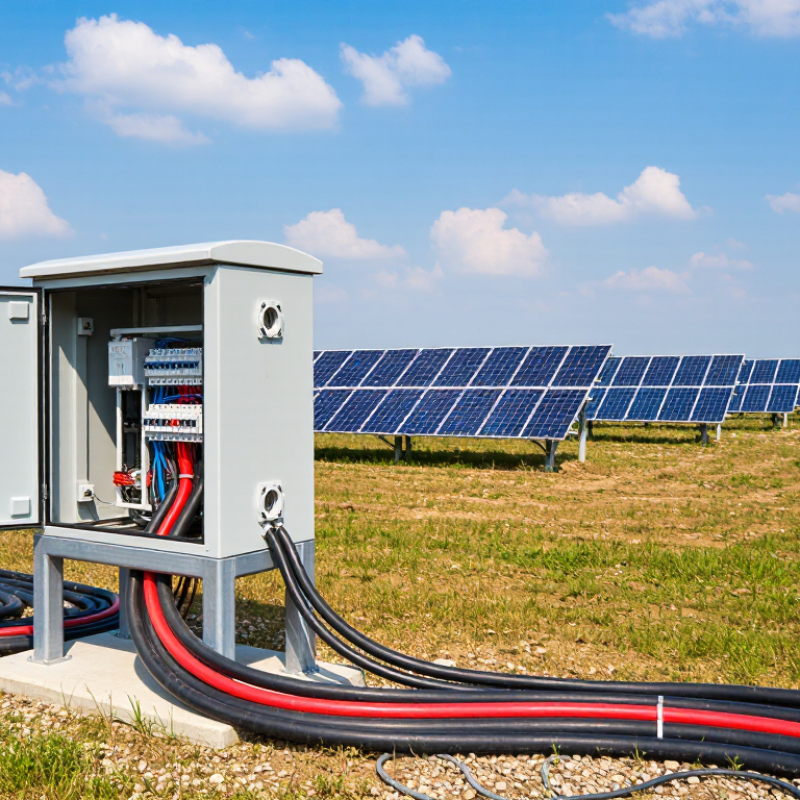
A Solar Combiner brings multiple photovoltaic strings into fewer, protected outputs. It can reduce cable runs, simplify overcurrent protection, and support monitoring near the array. On a utility-scale site, imagine dozens of string cables entering one weatherproof enclosure instead of reaching the inverter separately. The result can be cleaner installation work and faster fault isolation.

It is not a magic box.

As PV-code specialist Bill Brooks, PE, has emphasized, “The best PV system is the one that is designed, installed, and maintained correctly.” This principle matters when selecting a Solar Combiner. A poorly rated enclosure can create heat, moisture, or arc-fault concerns. A well-specified unit should match system voltage, current, fuse requirements, environmental exposure, and maintenance access.

The National Renewable Energy Laboratory’s 2024 Annual Technology Baseline also shows continuing cost pressure across photovoltaic hardware and balance-of-system components. That pressure may encourage cheaper equipment. It should not replace engineering judgment.

For designers, contractors, and asset owners, the real question is practical: does a Solar Combiner improve safety, wiring efficiency, monitoring, and long-term serviceability for this project? Sometimes the answer is yes. Sometimes distributed string inverters make more sense. Careful comparison remains essential.
Why Use a Solar Combiner Box for Solar Projects?

What Is a Solar Combiner Box?

A solar combiner box is an electrical enclosure that joins several photovoltaic string outputs into fewer outgoing circuits. It usually contains string fuses, busbars, surge protection, and sometimes a load-break disconnect. The enclosure creates one organized connection point between the array and the inverter.

Its role becomes more important as projects grow. The IEA PVPS Trends 2024 report recorded about 456 GW of new solar capacity worldwide in 2023, raising total installed capacity above 1.6 TW. Larger arrays can contain dozens of strings. Without proper combining, the inverter area may receive a confusing bundle of cables, making testing and fault isolation slower.

A well-designed box also supports safer maintenance. A technician can open one enclosure, check string currents, inspect fuse indicators, and isolate selected circuits. Labels should match the electrical drawings. Cable glands must remain sealed against dust and moisture. Small rooftop systems may not need a separate combiner box, especially when the inverter already accepts multiple strings. That detail is often overlooked. Oversizing the box adds cost and connection points, while undersizing it can create heat and maintenance problems. Field measurements still matter more than a generic specification sheet. According to the U.S. National Renewable Energy Laboratory, photovoltaic reliability depends heavily on installation quality, environmental exposure, and systematic inspection. A combiner box is not just a junction cabinet; it is part of the project’s protection and service strategy.

How a Solar Combiner Box Works in a PV System

A solar combiner box sits between multiple photovoltaic strings and the inverter. It receives separate DC circuits from the array. Inside, branch conductors connect to busbars, fuses, or circuit protection devices. The box combines the string currents into one controlled output. That output then travels toward the inverter. Parallel strings increase current, while system voltage remains largely unchanged.

That distinction matters.

String fuses help limit fault current and protect modules from reverse current. A DC disconnect allows technicians to isolate the array during service. Surge protection devices divert damaging transient voltage away from sensitive equipment. Some boxes also include current monitoring for performance checks.

In practical installation, cable routing and terminal torque matter greatly. Poorly tightened terminals can create heat, resistance, and gradual failure.

Heat leaves clues.

Selection requires more than counting string inputs. Engineers verify maximum DC voltage, current, short-circuit ratings, enclosure protection, and local environmental conditions. The box must also match the inverter and array design. A combiner box is not automatically necessary for every small PV system. Design reviews sometimes expose oversized equipment or unnecessary wiring. That is worth admitting. Clear labels, accessible placement, and documented testing make troubleshooting faster and safer. Regular inspections can reveal corrosion, loose connections, or damaged surge protection before they affect energy production.

Key Components and Electrical Functions

A solar combiner box gathers several photovoltaic strings before power reaches the inverter. It reduces cable runs and organizes the direct-current side of a project. This matters as arrays grow larger. IRENA’s Renewable Capacity Statistics 2024 reported more than 1,400 GW of global solar capacity by the end of 2023. More strings mean more conductors, terminations, and possible fault points.

Its key components perform distinct electrical functions. String fuses or circuit breakers limit fault current when one string feeds another damaged string. A DC disconnect allows technicians to isolate the array during inspection. Surge protective devices help divert transient overvoltage caused by lightning activity or switching events. Monitoring modules can measure string current and voltage, helping operators identify shading, loose terminals, or uneven performance. The IEC 62548 standard also emphasizes correct array wiring, protection, and isolation practices. Small errors spread.

Enclosure selection deserves practical attention. Outdoor boxes need suitable ingress protection, thermal management, and corrosion resistance for local conditions. NREL’s 2023 photovoltaic system cost benchmark shows that balance-of-system hardware remains a meaningful part of installed project costs, not an afterthought. A box with excessive capacity may waste money and space, while an undersized design can create heat and maintenance problems. In field work, labels sometimes fade faster than expected. That detail is easy to underestimate. Designers should verify maximum system voltage, short-circuit current, fuse coordination, conductor temperature, and available fault current before approval. A combiner box is useful, but poor specification can add risk rather than remove it.

Benefits of Using a Solar Combiner Box

A solar combiner box brings multiple photovoltaic strings into one controlled DC output. On a rooftop array, this can reduce scattered cable runs and simplify the route to the inverter. Fewer exposed connections often mean fewer inspection points. That matters after rain, dust, or seasonal heat. In field installations, technicians can open one enclosure, check string fuses, and measure current without walking across the entire array. Work becomes more orderly.

However, “simple” depends on correct design. The box must match string voltage, current, enclosure rating, and grounding method.

Its main benefit is organized protection. Individual fuses or breakers can isolate a faulty string before damage spreads through the array. Surge protection may also limit transient voltage from nearby lightning activity, though it cannot replace a complete site protection plan. Clear labeling helps maintenance crews identify inputs quickly.

A well-arranged box can reduce troubleshooting time when one string produces less power. Small differences matter. A clamp meter, thermal camera, and current readings can reveal loose terminals or uneven shading.

Combining strings can lower installation complexity and material use, but it is not automatically the cheapest option. Poorly tightened terminals create heat, while undersized conductors increase losses.

Clean enclosures can still hide unbalanced string currents. That mistake is easy to miss during a brief commissioning visit. Regular torque checks, insulation testing, and visual inspections support safer, more reliable operation.

Leave room for service. Future maintenance rarely follows the original schedule.

How to Select the Right Combiner Box for a Solar Project

A solar combiner box consolidates multiple photovoltaic string outputs into a safer, organized circuit. It can reduce cable clutter and simplify testing near the array. More importantly, it may provide string fuses, surge protection, disconnects, and monitoring connections. These features support safer operation when designed correctly.

Selecting the right box starts with electrical data. Check the system’s maximum voltage, short-circuit current, and number of strings. The box must handle the array’s worst operating conditions, not only its normal output. Confirm fuse ratings and polarity carefully. A higher current rating is not always better. It may increase cost without improving protection.

The installation environment matters just as much. Outdoor systems need suitable enclosure protection against rain, dust, ultraviolet exposure, and temperature changes. For rooftop projects, verify the box’s mounting position and cable-entry design. Leave room for maintenance and possible expansion. Equipment should also meet applicable electrical standards and project inspection requirements. Field checks should include terminal tightness, insulation condition, labels, and correct grounding. Small details matter. A box can look robust yet fail because of poor connections or trapped moisture. Review the design with the installer and engineer before ordering. That extra review may feel slow, but replacing an unsuitable box later is far more disruptive.

Subscribe To Our Newsletter

Join our mailing list to receive the latest news and updates from our team.

You have Successfully Subscribed!